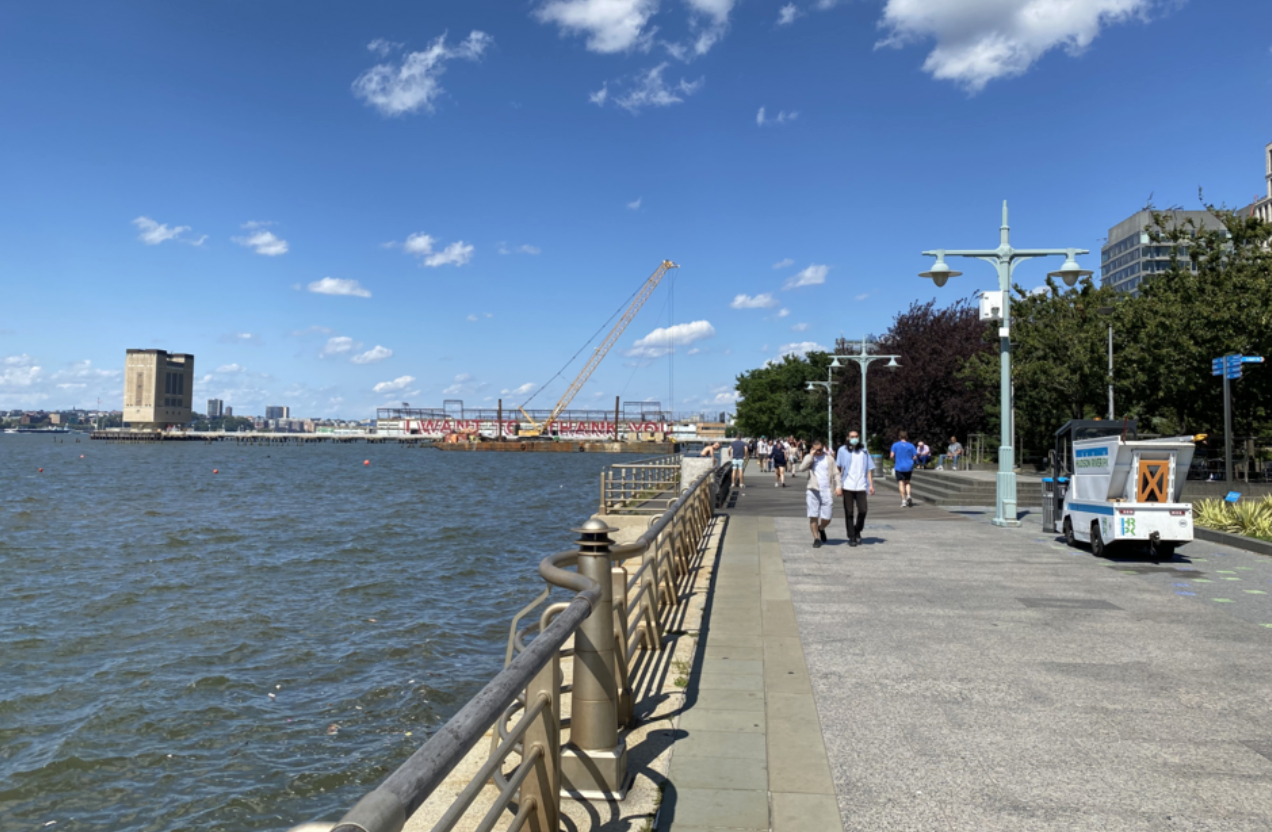

Navigating the Hudson River: Manhattan’s Waterfront Strategy
The Hudson River side of Manhattan—specifically the Hudson River Park—is a 4.5-mile ribbon of piers, gardens, and pathways stretching from Battery Park to 59th Street. Unlike the internal green “rooms” of Central Park, the Hudson waterfront is an expansive, wind-swept “front yard” that offers the best sunset views in the city and a completely different logistical rhythm.
To enjoy the river properly, you must understand that it is organized by Piers. Each pier has a specific “personality”—some are for quiet contemplation, others for high-energy sports or free kayaking. Treating it as a single destination is a mistake; it is a series of modular experiences connected by the busiest bike path in the United States.

| Short answer | Pick one neighborhood cluster (e.g., Chelsea Piers or Tribeca) and focus on 2-3 specific piers. |
|---|---|
| Best for | Cyclists, sunset chasers, and those wanting a “locals-only” recreational vibe away from Midtown. |
| Not ideal for | Swimming (strictly prohibited), or those looking for a quiet, tree-shaded forest experience. |
| Bottom line | Go for the sunset. The west-facing exposure makes it the city’s premier evening destination. |
Strategically, the riverfront is best accessed from the A/C/E or 1/2/3 subway lines, which run parallel to the water a few blocks east. Because the West Side Highway separates the park from the city, entry points are limited to specific crosswalks, so planning your “bridge” across the traffic is essential.
✅ When it makes sense
- You want a sunset view: There is no better place in Manhattan to watch the sun drop behind the New Jersey Palisades.
- You are on a budget: Many activities, including free public kayaking at Pier 26 and Pier 96, are available seasonally (typically May–October).
- You want to bike: The Hudson River Greenway is flat and protected, offering a high-speed transit route from the tip of the island to Upper Manhattan.
- You need “space”: The wide-open vistas of the river provide a psychological break from the “canyon” feel of NYC’s skyscrapers.
🚫 When it doesn’t
- During high-wind advisories: The riverfront can be punishingly cold and windy, with little protection from the elements.
- Mid-day in July: Much of the park is exposed concrete and pier surfaces with limited shade; you will bake under the afternoon sun.
- If you are in a rush to “cross” the city: Accessing the river takes time due to the highway crossings; don’t plan a 20-minute visit.
- Late at night in winter: Many of the piers are closed or unlit, and the cold river breeze is brutal.
🧠 Reality check (what most travelers miss)
The Hudson River Greenway (the bike path) is not a casual stroll lane; it is a commuter highway. Pedestrians often accidentally wander into the bike lane, leading to high-speed collisions or aggressive shouting from cyclists. Stay in the marked pedestrian esplanade, which is always the path closest to the water.
Additionally, while the river looks inviting, swimming is illegal and dangerous due to heavy boat traffic and strong tidal currents. If you want to get on the water, stick to the organized boathouses or commercial ferries.
The “Piers of Interest” Strategy (Midtown/Chelsea)
| Who this fits | Fans of modern architecture and active recreation. |
|---|---|
| What to do | Visit Little Island (Pier 55) and the Chelsea Piers complex. |
| Watch-outs | Little Island often requires timed entry tickets during peak summer weekends. |
| Local tip | Pier 57 features a massive public rooftop park with prime views of the harbor—and it’s free. |
This section is the most “tourist-ready.” Start at Little Island, an undulating park on concrete pylons. Just north is the Chelsea Piers sports complex, where you can find everything from driving ranges to ice rinks. This area is highly commercialized but offers the most amenities (food, bathrooms, activities).
For a unique perspective, walk through the Gansevoort Peninsula, which features Manhattan’s first “beach” (though for sunbathing only, not swimming).
The “Free Water Access” Plan (Tribeca)
| Who this fits | Budget travelers and families. |
|---|---|
| What to do | Head to Pier 26 for kayaking and the Science Playground. |
| Watch-outs | Free kayaking lines can be 30-60 minutes long on sunny Saturdays. |
| Local tip | The Downtown Boathouse at Pier 26 provides all equipment for free—just bring a change of clothes. |
Tribeca’s section of the park is more serene and ecologically focused. Pier 26 features a “Tide Deck” that mimics the river’s natural ecosystem. If you are here on a summer weekend, the free 20-minute kayaking sessions are a must-do to see the skyline from the water level.
Nearby Pier 25 offers mini-golf and sand volleyball courts, making it the best spot for those traveling with teenagers.
The “Sunset & Chill” Loop (West Village)
| Who this fits | Couples and solo travelers seeking a quiet evening. |
|---|---|
| What to do | Grab a drink and settle in on the lawns of Pier 45 or Pier 46. |
| Watch-outs | These piers get very crowded with locals “pre-gaming” or picnicking at 6:00 PM. |
| Local tip | Enter at Christopher St; it is the most scenic approach to the river from the Village. |
Known as the “Christopher Street Pier,” Pier 45 is famous for its long, lush lawns. It is the premier spot for a “golden hour” picnic. Unlike the more active piers, this area is designed for lounging. The lack of loud sports fields makes it the most peaceful stretch of the lower park.
⚖️ Quick comparison
| Hudson River Park | Newer, pier-based, active, high-design. Best for “things to do.” |
|---|---|
| Riverside Park | Traditional, hilly, tree-lined, residential. Best for “nature walks.” |
| Best pick if… | You want Little Island and Kayaking, pick Hudson River Park. |
Hudson River Park (South of 59th St) is where the “action” is. Riverside Park (North of 59th St) is where you go if you want to feel like you’ve left the city entirely.
🎯 Final recommendation
For a “perfect” Hudson afternoon, start at Chelsea Market (15th St & 9th Ave) to grab picnic supplies. Walk west to the river, cross into the park, and explore Little Island. From there, walk south along the water to Pier 45 in the West Village to catch the sunset.
Check the Hudson River Park Trust website before you go for “Free Fishing” or “Outdoor Movie” nights, which are frequent in the summer. Avoid driving; parking near the West Side Highway is nearly non-existent and incredibly expensive in the few private garages available.
Frequently Asked Questions
Can you swim in the Hudson River?
No. While the water quality has improved, swimming is prohibited due to extreme currents (it is a tidal estuary) and constant boat traffic. Some organized triathlon events occur, but these are highly regulated.
Is the Hudson River Park safe at night?
Generally yes, especially the sections near Chelsea and the West Village which remain populated. However, the park is officially closed from 1:00 AM to 6:00 AM. Stick to the well-lit paths near the highway after dark.
How much does kayaking cost?
At the Downtown Boathouse (Pier 26) and Manhattan Community Boathouse (Pier 96), it is $0 (Free). They operate on a first-come, first-served basis. Paid rentals are available at Pier 84 for longer excursions.
Are there public bathrooms along the river?
Yes, but they are spaced out. Reliable restrooms are located at Pier 25, Pier 40, Pier 51, Pier 62, and Pier 84. Most are open during daylight hours only.
Leave a Reply