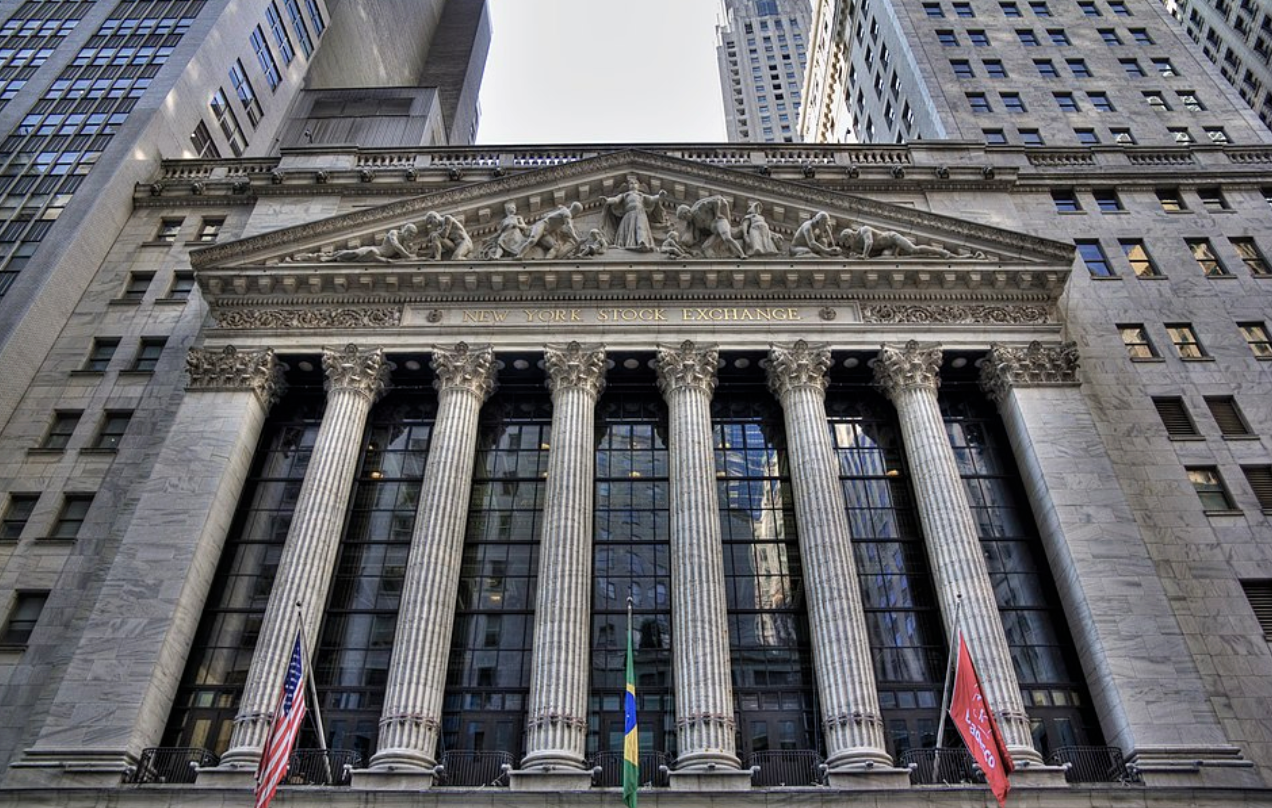

Navigating the NYC Economy: Budget, Costs, and Wall Street Realities
New York City is the undisputed financial capital of the world, anchored by the New York Stock Exchange (NYSE) and NASDAQ. For the traveler, this “Wall Street” energy translates into a high-velocity economy where convenience is a premium and costs are consistently among the highest in the United States. Understanding how to navigate this landscape is the difference between a successful trip and a budget collapse.
Whether you are visiting the Financial District to touch the Charging Bull or trying to manage the daily “cost of existence” in Midtown, New York requires a strategic approach to spending. From the $3.00 subway fare to the 8.875% sales tax, every transaction in the city is governed by specific local norms and economic shifts that went into effect as of 2026.

| Short answer | Expect a high-cost environment where a mid-range daily budget is $250–$400 per person. |
|---|---|
| Best for | Travelers comfortable with high-tech transit (OMNY) and urban hustle. |
| Not ideal for | Visitors seeking “all-inclusive” vibes or fixed-price simplicity. |
| Bottom line | NYC is expensive, but its “economy of scale” means you can save via transit caps and street food. |
As of 2026, New York has transitioned away from the physical MetroCard in favor of a full contactless (OMNY) system. This shift represents the city’s push for efficiency, but it also means visitors must be prepared with digital wallets or tap-to-pay cards to avoid being sidelined at the turnstiles.
✅ When it makes sense
- You prioritize public transit: With the 2026 fare cap, your 13th ride of the week and beyond is free, making the $3.00 base fare very efficient for heavy explorers.
- You shop for clothing under $110: New York offers a rare tax exemption for clothing and footwear under this price point, providing a significant 8.875% savings compared to other categories.
- You utilize the “Street Food” economy: High-quality halal carts and pizza slices remain the most effective hedge against rising restaurant prices.
🚫 When it doesn’t
- You expect to tour the NYSE: The Exchange remains closed to the public for interior tours. If you are coming specifically to see the trading floor, you will be disappointed.
- You rely on rideshares (Uber/Lyft): Between 2026 congestion pricing and heavy traffic, rideshares often cost 4x-10x the price of a subway ride and can take twice as long.
- You have a strict $100/day total budget: Unless you are staying in a hostel and eating exclusively from bodegas, NYC costs will likely exceed this threshold.
🧠 Reality check (what most travelers miss)
The “sticker price” in NYC is rarely the final price. Travelers often overlook the Hotel Occupancy Tax and various “amenity fees” (resort fees) which can add $30–$60 per night to a hotel bill. Additionally, the tipping culture in 2026 has solidified at a 20% standard for sit-down service; anything less is often viewed as a sign of poor service rather than a choice of frugality.
Furthermore, the MetroCard is officially retiring in 2026. Many travelers still arrive looking for yellow cards, only to find that the system now runs entirely on OMNY. If your phone or card doesn’t support contactless payments, you must buy a physical OMNY card at a retail location or vending machine for a $2.00 fee before you can even load a fare.
The Financial District Explorer
| Who this fits | History buffs and finance enthusiasts. |
|---|---|
| What to do | Visit the Charging Bull, Federal Hall, and the NYSE exterior. |
| Watch-outs | Extreme security barriers; no interior access to financial exchanges. |
| Local tip | Visit the Wall Street station (4/5 line) during the opening bell (9:30 AM) to feel the local hustle. |
The Financial District (FiDi) is the heart of the city’s economy. While you can’t enter the NYSE, the surrounding architecture tells the story of American capitalism. Federal Hall, where George Washington was inaugurated, is free to enter and provides a necessary historical counterpoint to the modern skyscrapers.
Eating in this area during the work week can be expensive, as lunch spots cater to high-earning professionals. Look for food trucks near Zuccotti Park for more reasonable prices.
The Budget Strategist
| Who this fits | Savvy travelers wanting the NYC experience without the debt. |
|---|---|
| What to do | Stay in Long Island City or Bushwick; use the OMNY fare cap. |
| Watch-outs | Avoid “Times Square” convenience stores (prices are often 50% higher). |
| Local tip | Use TodayTix or the TKTS booth for Broadway discounts; never pay “full price” for a show. |
The smartest way to engage with the NYC economy is to “live” like a local. This means avoiding the “tourist traps” of Midtown for daily necessities. A bodega coffee is $1.50–$3.00, while a branded coffee shop in a tourist zone can easily top $7.00.
By hitting the 12-ride OMNY cap early in your trip (usually by day 3 or 4), your transportation costs for the remainder of the week drop to zero. This is the single most effective way to offset the high cost of lodging.
The High-Finance Splurger
| Who this fits | Those looking for the “Billionaire’s Row” experience. |
|---|---|
| What to do | Fine dining in Midtown; stay at The Plaza or St. Regis. |
| Watch-outs | Reservations for top-tier restaurants often require booking 30 days in advance via Resy or OpenTable. |
| Local tip | Check out the Nasdaq MarketSite in Times Square for the high-tech visual of the modern economy. |
If you want to see where the money from Wall Street is spent, head to the Upper East Side or the luxury corridors of 5th Avenue. Here, “economy” takes a back seat to exclusivity. Expect to pay $20–$30 for a single cocktail at a high-end hotel bar.
For a true taste of the financial elite, a steakhouse dinner in Midtown (like Keens or Delmonico’s) is the traditional “power move.” Be prepared for a bill that reflects the prime real estate you’re sitting on.
⚖️ Quick comparison
| Option A | Staying in Manhattan (Midtown/FiDi) |
|---|---|
| Option B | Staying in Long Island City (Queens) |
| Best pick if… | Choose Option B if you want to save 30% on lodging while staying only 10 minutes from Manhattan via subway. |
Manhattan hotels carry a heavy “location tax.” Long Island City (LIC) has become the primary alternative for savvy travelers because it sits directly across the river and offers modern hotels at a lower price point without the 1-hour commute associated with deeper boroughs.
🎯 Final recommendation
To master the NYC economy, you must embrace the subway and understand the tax/tip reality. NYC is not a city that “helps” you save money; you have to be proactive. Load your digital wallet with a travel-friendly card, target clothing under $110 for your shopping, and utilize the OMNY fare cap to its fullest.
While the New York Stock Exchange may be the symbol of the city’s wealth, the true “local economy” is found in the corner delis and the 24-hour transit system. Plan for a $300/day average, and you will have a comfortable, realistic experience in the world’s most vibrant financial hub.
Frequently Asked Questions
Is it possible to tour the New York Stock Exchange floor?
No. Public tours of the NYSE ended after the events of September 11, 2001. You can only view the exterior of the building at 11 Wall Street and the surrounding monuments like the Fearless Girl statue.
What is the standard tipping rate in NYC in 2026?
The standard for good service is 20%. For exceptional service, 22–25% is common. Tipping is expected for servers, bartenders, taxi drivers, and hotel staff (bellhops/housekeeping).
Does NYC still use the MetroCard?
As of 2026, the MetroCard has been largely phased out. The city uses OMNY, a contactless payment system. You can tap your smartphone, contactless credit/debit card, or a physical OMNY card to pay the $3.00 fare.
How much is sales tax in New York City?
The combined sales tax is 8.875%. However, clothing and footwear items sold for less than $110 are exempt from the city and state sales tax.
Is Wall Street safe for tourists?
Yes, the Financial District is one of the safest and most heavily policed areas in the city. It is very walkable, though it can become quite empty on weekends compared to the mid-week hustle.
Leave a Reply