
Navigating New York City’s Live Music Scene: A Practical Guide
New York City is widely recognized as a global capital for live music, but approaching it as a single, cohesive “music scene” is a common traveler mistake. The reality is highly decentralized. From historic jazz clubs in Greenwich Village to massive indie warehouses in North Brooklyn and stadium tours at Madison Square Garden, the city offers unparalleled variety, but it demands geographic strategy and advance planning.
Because venues are scattered across multiple boroughs, your experience depends entirely on choosing the right neighborhood for your genre and understanding the logistical realities of late-night transit. Spontaneous walk-ins are increasingly rare for notable acts, and understanding venue quirks—like strict age minimums or mandatory drink purchases—is essential for a frictionless night out.

| Short answer | NYC’s music scene is world-class but fragmented; success requires booking ahead and matching your preferred genre to specific boroughs and neighborhoods. |
|---|---|
| Best for | Genre purists, late-night crowds, and travelers willing to commute to outer boroughs for niche subcultures. |
| Not ideal for | Travelers expecting cheap, centralized entertainment districts or spontaneous walk-in tickets for mainstream artists. |
| Bottom line | Pick your venue based on the artist, but plan your post-show transportation and budget for hidden venue costs before you go. |
If you build your itinerary around specific venues or genres rather than expecting a generalized musical atmosphere on the streets, you will experience the high-caliber performances the city is known for. Below is a breakdown of how to practically approach NYC live music depending on your travel style.
✅ When it makes sense
- You plan to explore outer boroughs: The epicenter of indie, electronic, and experimental music has shifted heavily to Brooklyn (Williamsburg, Bushwick, Greenpoint) and parts of Queens.
- You book well in advance: Megastars at Madison Square Garden or Barclays Center, as well as popular acts at mid-sized venues like Brooklyn Steel or Webster Hall, often sell out weeks or months prior.
- You budget for secondary costs: Most intimate jazz and cabaret venues enforce cover charges plus a strict two-item or two-drink minimum per person at the table.
🚫 When it doesn’t
- You rely on walking everywhere: Venues are spread out. Getting from an early dinner in Midtown to a 10 PM show in deep Brooklyn requires a 45+ minute subway ride or an expensive rideshare.
- You ignore late-night transit changes: The MTA routinely reroutes subway lines or replaces them with shuttle buses late at night and on weekends, exactly when concerts let out.
- You are traveling with under-21s without checking venue policies: Many NYC music venues are strictly 21+, even for early shows, due to liquor licensing. Always verify the age policy before buying tickets.
🧠 Reality check (what most travelers miss)
The “Doors Open” time on your ticket is rarely the time the music starts, and the headliner usually goes on much later than tourists expect. For mid-sized indie and electronic venues, doors might open at 8:00 PM, with openers at 9:00 PM and the main act not appearing until 10:30 PM or 11:00 PM. Electronic and dance acts in Brooklyn may not hit the stage until 1:00 AM or 2:00 AM.
Additionally, exiting a major arena or a large Brooklyn warehouse simultaneously with 3,000 other people creates massive bottlenecks. Rideshare surge pricing heavily spikes immediately following a concert, and cellular service outside venues often drops due to network congestion. You should know exactly where the nearest subway station is located and have your payment method (OMNY or MetroCard) ready before you leave the venue.
The Jazz & Historic Purist
| Who this fits | Travelers seeking classic NYC ambiance, sit-down performances, and legendary institutions. |
|---|---|
| What to do | Focus on Greenwich Village, Harlem, and the Upper West Side for iconic venues. |
| Watch-outs | High cover charges, mandatory food/drink minimums, and strict seating policies (many seat first-come, first-served or require sharing tables with strangers). |
| Local tip | At the Village Vanguard, line up at least 30-45 minutes before doors open if you want a seat with an unobstructed view of the stage. |
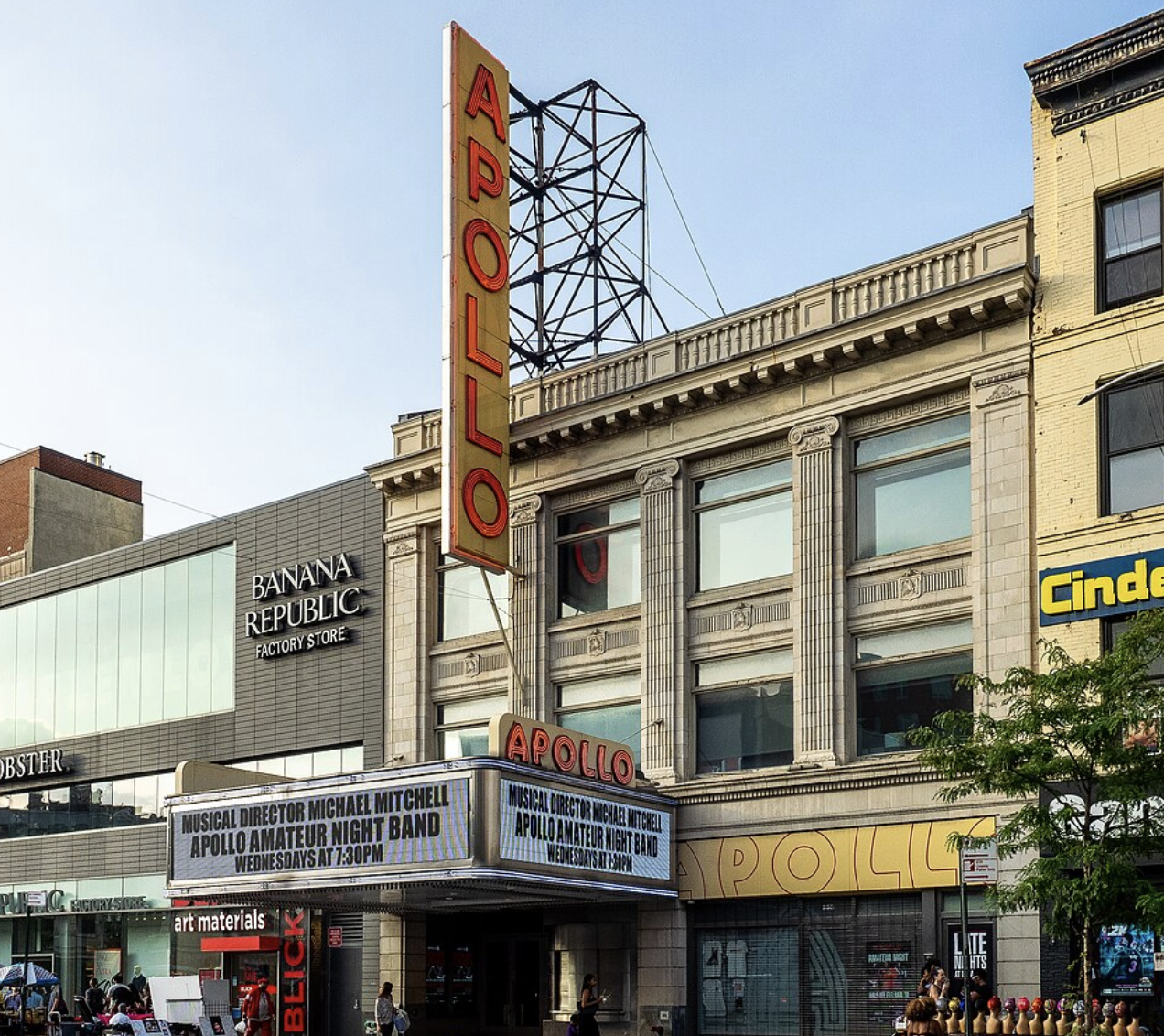
If you want the quintessential New York jazz experience, you are largely staying in Manhattan. Venues like the Blue Note, Smalls, and the Village Vanguard offer intimate, world-class performances. Harlem institutions like the Apollo Theater or local jazz parlors offer deep historical context.
These venues operate differently than standard concert halls. Shows are typically divided into two seatings per night (e.g., an 8:00 PM set and a 10:00 PM set). You must buy tickets for a specific set, and you will be asked to leave after it concludes unless you paid for the whole evening.
The Indie & Emerging Artist Hunter
| Who this fits | Fans of rock, alternative, electronic, and up-and-coming acts looking for general admission standing-room shows. |
|---|---|
| What to do | Head to North Brooklyn (Williamsburg, Greenpoint, Bushwick) or the Lower East Side in Manhattan. |
| Watch-outs | Late start times, loud environments, and dependence on the L or G subway lines for transportation. |
| Local tip | For shows at Brooklyn Steel, exiting toward the Graham Ave L train station is often less crowded than walking toward the Lorimer St station. |
The core of NYC’s current independent music scene lives in Brooklyn. Venues range from medium-sized, professionally run halls like Brooklyn Steel and Warsaw, to multi-room electronic spaces like Elsewhere, to dive-bar stages. Shows here are almost entirely standing-room-only.
Transit is the biggest factor here. The L train is the main artery connecting Manhattan to Williamsburg and Bushwick. While it runs 24/7, weekend and late-night headway (time between trains) can stretch to 20 minutes. Check the MTA website for planned service changes on the L train before heading to a Brooklyn show on a Saturday night.
The Big Ticket Spectator
| Who this fits | Travelers building a trip around seeing global pop stars, legacy rock bands, or major arena tours. |
|---|---|
| What to do | Navigate Madison Square Garden (MSG), Barclays Center, or cross the river to MetLife Stadium in New Jersey. |
| Watch-outs | Aggressive ticket scalping fees, brutal crowd congestion upon exit, and strict bag policies (often clear bags or very small clutches only). |
| Local tip | If attending a show at MSG, avoid exiting onto 7th Avenue; exit via the side doors toward 8th Avenue or 33rd Street to avoid the worst tourist gridlock. |
Arena shows in NYC are highly efficient machines, but they require patience. Venues like MSG (Manhattan) and Barclays Center (Brooklyn) sit directly atop major subway and commuter rail hubs, making them incredibly easy to reach via public transit. Driving or taking a taxi to these venues is highly discouraged due to gridlock.
A major caveat for travelers: many “New York” stadium shows for artists like Taylor Swift or Beyoncé are actually held at MetLife Stadium in East Rutherford, New Jersey. Reaching MetLife from Manhattan requires taking NJ Transit trains from Penn Station to Secaucus Junction, then transferring to a special stadium train. Factor in at least 60-90 minutes of travel time each way for MetLife shows.
⚖️ Quick comparison: Manhattan vs. Brooklyn Venues
| Option A | Manhattan Venues (Bowery Ballroom, Irving Plaza, Blue Note) |
|---|---|
| Option B | Brooklyn Venues (Brooklyn Steel, Elsewhere, Baby’s All Right) |
| Best pick if… | Choose Manhattan for historic jazz, seated cabaret, and central convenience. Choose Brooklyn for cutting-edge indie, electronic, late-night dancing, and larger general admission spaces. |
While Manhattan retains legendary rooms, commercial rents have pushed many mid-sized and large independent venues across the East River. If your priority is a short walk back to a Midtown or Downtown hotel, prioritize Manhattan. If you want to see what is currently driving NYC’s modern music culture, you will likely be spending your evening in Brooklyn.
🎯 Final recommendation
For the best overall experience, anchor your trip with one pre-booked ticket to an artist you genuinely want to see at a mid-sized venue (like Bowery Ballroom or Brooklyn Steel). This guarantees a high-quality night out without the overwhelming logistics of a stadium show.
Fill out the rest of your itinerary with a seated jazz or acoustic set in Greenwich Village or the West Village. This provides a balance of modern NYC energy and historic ambiance. Always check the MTA app for late-night transit changes before you leave your hotel, and never rely on hailing a cab directly outside a venue when a show lets out.
Frequently Asked Questions
Are NYC music venues safe at night?
The areas immediately surrounding major venues (MSG, Barclays, major Williamsburg clubs) are generally heavily trafficked and well-lit. However, late at night, empty industrial streets in parts of Brooklyn/Queens can feel desolate. Stick to main avenues when walking to the subway post-show, and if a street feels too quiet, order a rideshare directly to the venue door.
Can I buy tickets at the door?
For major acts and popular indie artists, shows typically sell out online well in advance. For smaller local bands or jazz clubs (if you are willing to wait in line or stand at the bar), door tickets are sometimes available, but it is never guaranteed. Always attempt to buy online first.
What are the typical bag policies?
Large backpacks are almost universally banned. Arenas enforce strict size limits (often nothing larger than a small clutch or a clear bag). Mid-sized venues will require you to use the coat/bag check (usually for a small cash fee) if your bag is larger than a standard purse. Travel light to avoid check lines.
How late do the subways run after a concert?
The NYC subway system operates 24/7, so you can always get home. However, after midnight, trains run much less frequently (often every 20 minutes) and express lines typically run local. Service changes for track maintenance frequently happen late at night, which can alter your route home. Relying on the subway is viable, but requires checking the MTA live map.
Leave a Reply