
Navigating New York City’s Art Scene: A Practical Guide
New York City is unequivocally a world capital for art, fueled by a dizzying intersection of cultures where over 800 languages are spoken. However, treating the city’s art scene as a single checklist is a surefire way to burn out. The landscape is sharply divided between colossal, encyclopedic institutions (like The Met and MoMA) and fiercely independent, hyper-local commercial galleries scattered across Manhattan and Brooklyn.
For a traveler, deciding how to engage with NYC’s art depends entirely on your stamina, your budget, and the days of the week you plan to visit. Accessing this world efficiently requires understanding ticketing realities, navigating transit gaps in gallery districts, and respecting the sheer physical toll of “museum fatigue.”

| Short answer | NYC’s art scene is vast and physically demanding; success requires limiting yourself to one major museum per day or focusing on walkable gallery districts. |
|---|---|
| Best for | Visual culture enthusiasts, art history buffs, and travelers who enjoy neighborhood walking tours. |
| Not ideal for | Travelers trying to squeeze multiple massive institutions into a single afternoon, or those expecting free entry to major museums. |
| Bottom line | Book timed-entry tickets for major museums weeks in advance, but leave your afternoons flexible for free, un-ticketed gallery hopping in Chelsea or the Lower East Side. |
Whether you want to stand in front of canonical masterpieces or discover emerging artists in a converted warehouse, your itinerary must be anchored in geography. Below is a breakdown of how to practically approach NYC’s art landscape based on your goals.
✅ When it makes sense
- You focus on one neighborhood per day: Clustering your visits—such as spending a full day on the Upper East Side for “Museum Mile”—prevents wasting hours on the subway.
- You buy tickets in advance: Blockbuster exhibitions at MoMA, the Whitney, and The Met regularly sell out of their daily timed-entry slots. Pre-booking is non-negotiable for smooth entry.
- You leverage gallery days: If you want to see contemporary art for free, plan to visit commercial galleries in West Chelsea on a Thursday, Friday, or Saturday.
🚫 When it doesn’t
- You rely on outdated “Pay-What-You-Wish” advice: Most major NYC museums (including The Met) revoked universal pay-what-you-wish policies years ago. Unless you are a New York State resident with ID, expect to pay standard admission (often around $30 for adults).
- You attempt to gallery-hop on a Sunday or Monday: The vast majority of commercial art galleries in Manhattan and Brooklyn are strictly closed on Sundays and Mondays.
- You bring a large backpack: Almost all major museums enforce strict bag policies. Bringing a large bag guarantees you will wait in a long, slow-moving coat check line before you can see any art.
🧠 Reality check (what most travelers miss)
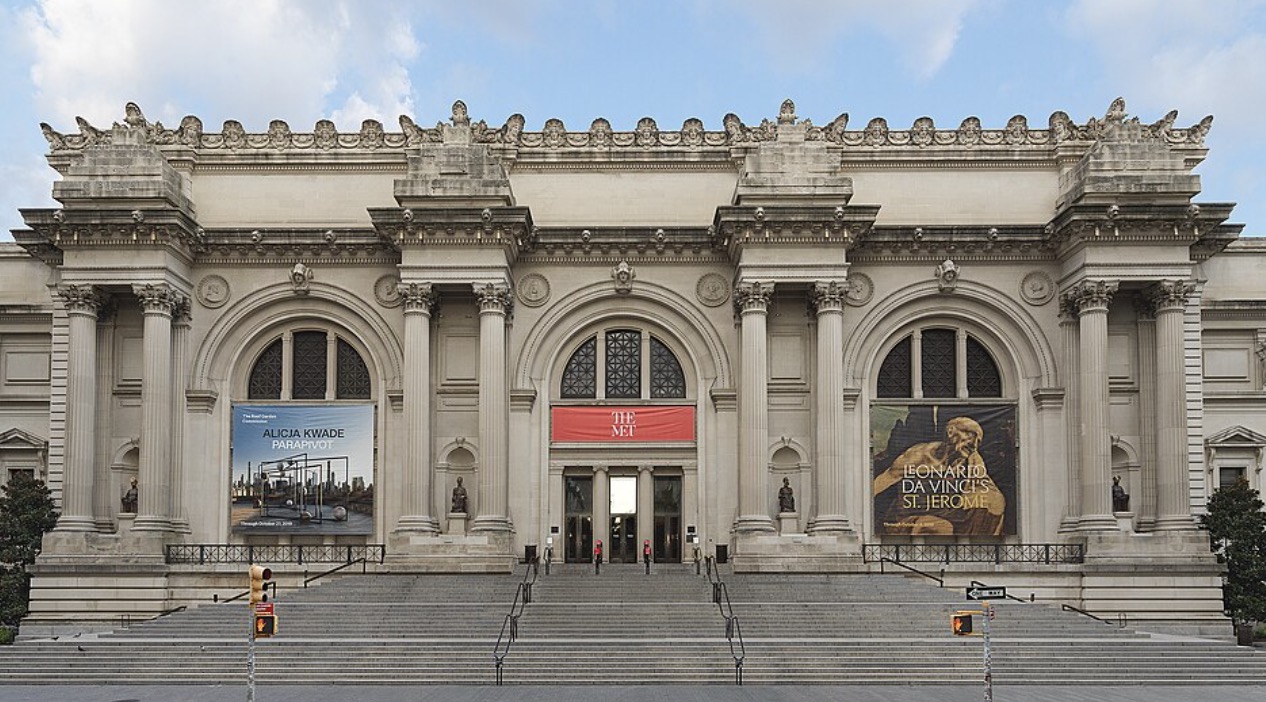
“Museum fatigue” is a physical reality in New York. The Metropolitan Museum of Art covers over 2 million square feet. Most travelers hit a wall after three hours. Attempting to see The Met in the morning and MoMA in the afternoon is a classic tourist mistake that leads to exhaustion and sensory overload. Pick one major institution per day, tops.
Additionally, dining inside major museums is heavily marked up, and peak-hour lines at on-site cafes can stretch for 45 minutes. You are much better off leaving the museum to eat. For example, if you are at the Guggenheim or The Met, walk a few blocks east to Lexington or 3rd Avenue for significantly better and faster neighborhood dining options.
The Institutional Heavyweight (Museum Mile)
| Who this fits | First-time visitors, history buffs, and those wanting to see canonical masterpieces. |
|---|---|
| What to do | Head to the Upper East Side (5th Avenue from 82nd to 105th Streets) for The Met, the Guggenheim, and the Neue Galerie. |
| Watch-outs | Extreme weekend crowding and aggressive ticket prices if visiting multiple museums. |
| Local tip | At The Met, skip the crowded main front steps and use the street-level entrance at 81st Street and 5th Avenue (the Uris Center for Education) for much faster security and ticketing lines. |
Museum Mile offers the highest concentration of encyclopedic art and historical artifacts in the country. This is where you go for Egyptian temples, Renaissance masterpieces, and iconic modern architecture. Because these buildings are massive, they require comfortable walking shoes and strategic pacing.
To avoid the worst crowds, visit on a weekday morning right when the doors open. If you want to see a special, temporary exhibition at any of these museums, make that your first stop upon entering the building before the midday crowds arrive.
The Contemporary Gallery Hopper (West Chelsea)
| Who this fits | Contemporary art fans looking for cutting-edge, living artists and free-to-enter exhibitions. |
|---|---|
| What to do | Walk the grid between 19th and 28th Streets, strictly along 10th and 11th Avenues in Manhattan. |
| Watch-outs | This area is a “transit desert.” Expect a 10-to-15 minute walk from the nearest subway stations (C/E at 23rd St or the 7 at Hudson Yards). |
| Local tip | Thursday evenings (typically 6:00 PM to 8:00 PM) are traditionally “opening nights” for new shows in Chelsea, often featuring free entry, complimentary drinks, and a vibrant social scene. |
West Chelsea is the epicenter of the global commercial art market. Unlike museums, these galleries (such as Gagosian, David Zwirner, and Pace) are completely free to enter and require no tickets. You can seamlessly walk in and out of dozens of world-class exhibitions in a single afternoon.
The vibe here is intentionally austere—do not expect informational plaques explaining the art. You can usually grab a free printed press release at the front desk for context. Because you are walking outdoors between buildings, this itinerary is highly weather-dependent.
The Urban & Emerging Scene (Brooklyn)
| Who this fits | Urban explorers, street photography fans, and those interested in DIY or emerging gallery spaces. |
|---|---|
| What to do | Take the L train to the Jefferson St station in Brooklyn to explore the Bushwick Collective murals and nearby independent galleries. |
| Watch-outs | Bushwick is an active, mixed-use industrial neighborhood. Be mindful of heavy truck traffic and forklift operations on the streets. |
| Local tip | The street art changes constantly, but the highest concentration of world-class murals radiates outward from the intersection of Troutman Street and St. Nicholas Avenue. |
For art that feels raw, immediate, and heavily influenced by NYC’s diverse cultural makeup, Brooklyn is the destination. The Bushwick Collective is an outdoor gallery of legal street art that draws top international muralists. It is completely free and accessible 24/7.
The neighborhood also hosts smaller, artist-run gallery spaces that showcase emerging talent long before they reach Chelsea. These spaces often have erratic hours, so checking their Instagram pages or websites for current opening times before you make the trek on the L train is essential.
⚖️ Quick comparison
| Option A | Major Museums (The Met, MoMA, Whitney) |
|---|---|
| Option B | Commercial Galleries (Chelsea, Lower East Side, Tribeca) |
| Best pick if… | Choose museums for guaranteed historical breadth, guided audio tours, and all-day indoor exploration. Choose galleries for free admission, living artists, and a fast-paced neighborhood walking experience. |
The choice often comes down to budget and weather. If it is raining or snowing, a massive indoor museum is the clear winner. If it is a beautiful spring day, bouncing between free galleries in Chelsea or Tribeca allows you to see high-level art while still experiencing the city streets.
🎯 Final recommendation
Anchor your NYC art itinerary with just one major paid institution—like MoMA or the Whitney—and book your timed-entry ticket two weeks in advance. Dedicate the first half of your day to that museum while your energy is highest.
Balance that investment by dedicating a separate afternoon to free gallery-hopping in West Chelsea or the Lower East Side. This mix gives you both the historical anchor of a world-class institution and the pulse of the current, living art market, without overwhelming your schedule or your budget.
Frequently Asked Questions
Are NYC art museums free?
No, not generally. While some museums offer specific free hours (like free Friday nights at the Whitney or MoMA, which require advance reservation), standard adult admission at major institutions is typically around $30. The “pay-what-you-wish” model at The Met is now exclusively restricted to New York State residents and students from NJ/CT with valid ID.
Do I really need to buy museum tickets in advance?
Yes. Post-pandemic, almost all major NYC museums transitioned to timed-entry ticketing to manage crowds. While walk-up tickets are sometimes available on slow weekdays, you risk waiting in massive lines or being turned away entirely on weekends if you do not pre-book online.
Are commercial galleries in Chelsea free to enter?
Yes. Commercial art galleries are retail businesses selling art to collectors. They are completely free and open to the public during normal business hours (typically Tuesday through Saturday, 10:00 AM to 6:00 PM). You do not need an appointment or a ticket to walk in.
How long should I plan to spend at The Met or MoMA?
Plan for a maximum of three to four hours. The scale of these museums is overwhelming. It is better to research two or three specific wings or exhibits you want to see, focus on those, and leave while you are still enjoying yourself, rather than trying to power-walk through every floor.
What is the best way to get between art neighborhoods?
The subway is your best option. Moving from Museum Mile (Upper East Side) to the gallery districts (Chelsea or Downtown) via taxi or rideshare will subject you to brutal Midtown traffic and high fares. Use the 4/5/6 trains on the East Side or the A/C/E trains on the West Side.
Leave a Reply