
A Complete 2-Day Nashville Itinerary: History, Dining, and Iconic Nightlife
To truly understand the fabric of the Music City, you must step away from the immediate downtown entertainment district and explore the physical spaces where the city’s complex history unfolded. Nashville earned the moniker “The Athens of the South” long before neon lights dominated Broadway, primarily due to a 19th-century dedication to higher education, classical architecture, and an agricultural economy that deeply shaped the state of Tennessee. This comprehensive, two-day itinerary physically connects those historic landmarks with the modern culinary and musical institutions that define the city today.
The schedule is deliberately structured to minimize transit friction. Day 1 focuses tightly on the southwestern West End and Belle Meade corridors, exploring architectural marvels and antebellum wealth before returning downtown for an upscale Southern dinner and traditional honky-tonk nightlife. Day 2 shifts eastward, dedicating the morning to a massive state history museum and a U.S. presidential estate, before concluding with a relaxed neighborhood dinner in East Nashville and late-night jazz in the historic Printer’s Alley. Prepare for extensive walking, robust Southern cuisine, and a dense chronological dive into the region’s origins.
🏛️ Day 1 (Morning): The Parthenon

| Type | Historical Landmark & Art Museum |
|---|---|
| Location | |
| Hours | Mon–Sat: 9am–4:30pm; Sun: 12:30pm–4:30pm |
| Price / Fee | $10 Adults; $8 Youth/Seniors |
| Phone | (615) 862-8431 |
| Website | nashvilleparthenon.com |
Standing directly in the center of the 132-acre Centennial Park, the Nashville Parthenon holds the distinction of being the world’s only exact-size, full-scale replica of the ancient Athenian temple. Originally constructed in 1897 using plaster, wood, and brick, it served as the architectural centerpiece for the Tennessee Centennial Exposition. The temporary structure proved so wildly popular with residents that the city undertook a massive project to permanently rebuild it in cast concrete starting in 1920. The exterior features 46 massive Doric columns and highly accurate replicas of the original pediment marbles cast directly from fragments held in the British Museum.
While the exterior is an excellent backdrop for photography, the true jaw-dropper is housed inside: a towering, 42-foot-tall statue of the goddess Athena. Unveiled in 1990 and meticulously gilded in 2002 with over eight pounds of 23.75-karat gold leaf, she holds a life-sized statue of Nike (Victory) in her right hand. The sheer scale of the interior room forces visitors to crane their necks, providing a genuine physical sense of the awe ancient Greeks might have felt. The lower level of the structure functions as a highly respected art museum, housing the permanent Cowan Collection of 63 paintings by 19th- and 20th-century American artists.
Transit & Pacing: Begin your itinerary here promptly at 9:00 AM. It is a flat, easy walk from the free parking area located inside Centennial Park, and crowds are consistently lowest right at opening. Allocate roughly 90 minutes to walk the perimeter and tour the internal galleries. Once finished, take a quick 5-minute drive (or 15-minute walk) into the adjacent Hillsboro Village neighborhood. This gives you time to grab a mid-morning brunch at a local staple like The Pancake Pantry before beginning the afternoon leg of your historical tour.
Differentiating Detail: It is the only place globally where you can stand inside an architecturally accurate, full-scale concrete recreation of the ancient Greek Parthenon, complete with the monumental Athena statuary.
Best for: Architecture enthusiasts, art lovers, and travelers who appreciate visually striking monuments paired with highly accessible, flat park space. Travelers strictly looking for Civil War or political history might choose to skip this in favor of an extra hour at the state museum.
🐎 Day 1 (Afternoon): Belle Meade Historic Site & Winery

| Type | Historic Estate & Museum |
|---|---|
| Location | |
| Hours | Daily: 9am–5pm |
| Price / Fee | $28–$35+ depending on specific tour |
| Phone | (615) 356-0501 |
| Website | visitbellemeade.com |
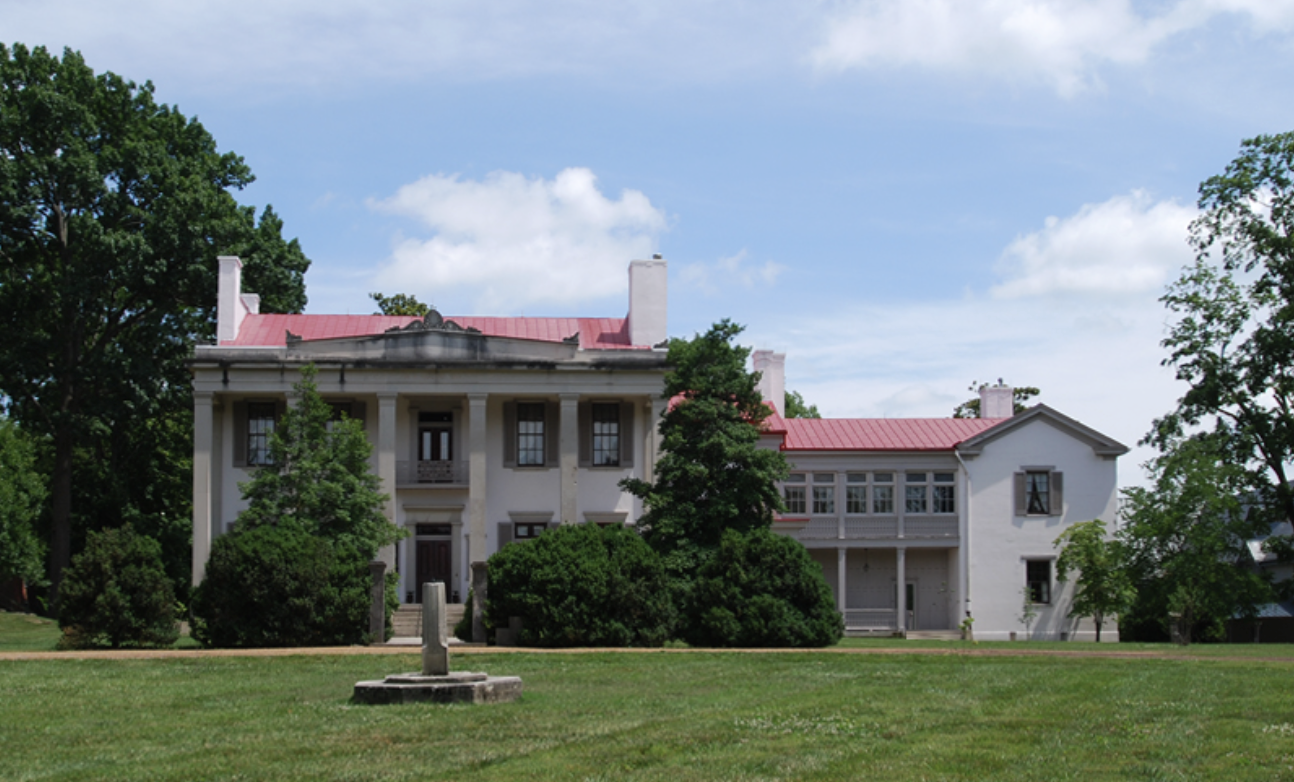
Tracing its origins back to a rudimentary log cabin constructed in 1807, the Belle Meade estate ultimately expanded into a sprawling 5,400-acre plantation that gained global renown for breeding premier thoroughbred racehorses. During the mid-to-late 19th century, the Harding-Jackson family operated one of the most lucrative equine businesses in the nation. At its absolute peak, the estate was home to Iroquois, the first American-bred horse to win the English Derby, and the property’s bloodlines are actively connected to modern racing legends including Secretariat and Seabiscuit.
Today, the site operates with a carefully considered dual focus. While the traditional “Mansion Tour” highlights the grand Greek Revival architecture and the elite equestrian wealth of the owners, the site has drawn necessary, widespread praise for its specialized “Journey to Jubilee” tour. This intensely researched guided experience shifts the narrative focus entirely onto the lives, daily struggles, and post-emancipation successes of the enslaved men and women who were the actual laborers behind the estate’s massive wealth. It offers a vital, unvarnished recontextualization of the property’s history.
Transit & Pacing: After wrapping up your lunch in Hillsboro Village, drive approximately 10 minutes southwest down Harding Pike to reach the estate gates. Arriving by 1:30 PM allows you to comfortably check in for a 2:00 PM “Journey to Jubilee” tour. Following the hour-long guided walk, utilize your remaining time before the 5:00 PM closure to independently explore the carriage house, the preserved outbuildings, and enjoy the complimentary wine tasting included with admission. The estate operates a massive, free parking lot right at the visitor center.
Differentiating Detail: It flawlessly intertwines elite American thoroughbred racing history with a critically acclaimed, dedicated tour that documents the complex African American experience on a major Southern estate.
Best for: History buffs seeking comprehensive, nuanced storytelling and visitors who appreciate immaculately preserved 19th-century landscaping. Budget-conscious travelers might skip this, as specialized tour admission sits on the higher end for local museums.
🍽️ Day 1 (Dinner): Husk Nashville
| Type | Elevated Southern Cuisine |
|---|---|
| Location | |
| Hours | Daily: 5pm–10pm (Lunch hours vary by day) |
| Price / Fee | $50–$100+ per person |
| Phone | (615) 256-6565 |
| Website | husknashville.com |
Operating out of a beautifully restored 1895 historic mansion perched on Rutledge Hill, Husk Nashville serves as the perfect culinary bridge following a day steeped in Southern history. Originally founded by James Beard Award-winning chef Sean Brock, the restaurant adheres to a famously strict ingredient philosophy: if it does not originate from the geographic South, it does not come through the kitchen doors. This rigorous commitment to regional sourcing means the menu changes daily based entirely on what local purveyors, farmers, and foragers provide that morning.
The culinary execution here transforms humble, historically significant Appalachian ingredients into high-end dining. Expect to find meticulously sourced heritage pork, perfectly textured shrimp and grits utilizing heirloom cornmeal, and wood-fired seasonal vegetables sourced directly from their on-site gardens. The bar program is equally robust, leaning heavily into a world-class collection of rare bourbons and historically accurate 19th-century punch recipes. The dining room itself is elegant but stripped of pretension, featuring exposed brick, modern art, and large windows overlooking the city skyline.
Transit & Pacing: From Belle Meade, take a 15 to 20-minute drive back toward the downtown core. Secure parking in the paid lot immediately adjacent to the restaurant. Plan to arrive for a 6:30 PM reservation. This allows you exactly two hours to enjoy a multi-course dinner before shifting into the high-energy nightlife portion of the evening. The crowd level here is consistently high, and booking a table several weeks in advance is an absolute necessity, especially on weekends.
Differentiating Detail: Operates under a strict “South-only” ingredient mandate, ensuring that every grain, vegetable, and protein served is historically and agriculturally tied to the surrounding region.
Best for: Gastronomes, bourbon aficionados, and diners willing to pay a premium for highly technical, ingredient-driven Southern cooking. Diners looking for a fast, cheap, or highly casual burger should skip this and head directly to Broadway.
🎸 Day 1 (Nightlife): Robert’s Western World
| Type | Traditional Honky-Tonk Bar |
|---|---|
| Location | |
| Hours | Daily: 11am–3am |
| Price / Fee | $6 Recession Special; No Cover Charge |
| Phone | (615) 244-9552 |
| Website | robertswesternworld.com |
As the massive, multi-story celebrity mega-bars continue to dominate the Lower Broadway skyline, Robert’s Western World aggressively holds its ground as the undisputed king of the traditional Nashville honky-tonk. Originally operating as a western apparel store selling boots and guitars, the venue eventually morphed into a full-time music venue that strictly enforces a traditional country music format. You will not hear modern pop-country or rock covers here; the exceptionally talented house bands play exclusively traditional country, rockabilly, and Western swing, honoring legends like Johnny Cash, Merle Haggard, and Patsy Cline.
The interior perfectly matches the vintage soundscape. The walls are still lined with shelves of cowboy boots, the lighting is perpetually dim, and the narrow dance floor is packed shoulder-to-shoulder by 9:00 PM every night of the week. Beyond the world-class musicianship, Robert’s is famous for its culinary holdout: the “Recession Special.” For roughly six dollars, bartenders will slide you a heavily griddled fried bologna sandwich, a bag of chips, a MoonPie, and a cold Pabst Blue Ribbon. It is a gloriously unpretentious foil to the expensive craft cocktails found elsewhere in the city.
Transit & Pacing: Leave your car parked near Husk and simply walk 10 to 15 minutes north straight into the neon chaos of Lower Broadway. Alternatively, a rideshare will take under 5 minutes. Arrive at Robert’s around 8:30 PM. Like almost all bars on the Broadway strip, there is no cover charge, but patrons are heavily encouraged to pass cash tips to the band bucket as it circulates. Expect an extremely high, loud crowd level and a true dive-bar atmosphere.
Differentiating Detail: It is the only venue on the main Broadway strip that vehemently refuses to play modern pop-country, acting as a living time capsule for authentic Western swing and traditional country musicianship.
Best for: Music purists, dive-bar enthusiasts, and anyone looking to experience the gritty, historic reality of the original Music Row before the modern tourism boom.
📜 Day 2 (Morning): Tennessee State Museum

| Type | State History Museum |
|---|---|
| Location | |
| Hours | Tue–Sat: 10am–5pm; Sun: 1pm–5pm; Mon: Closed |
| Price / Fee | Free admission |
| Phone | (615) 741-2692 |
| Website | tnmuseum.org |
Opened in a stunning, purpose-built facility in 2018, the Tennessee State Museum is widely considered one of the finest free educational institutions in the American South. Located at the northern boundary of the Bicentennial Capitol Mall State Park, the massive 137,000-square-foot facility provides a meticulously detailed chronological journey through the entirety of the state’s complex history. The architectural layout forces visitors to engage with the “Time Tunnel,” guiding you seamlessly from the region’s geological formation and First Peoples directly through to modern-day cultural achievements.
The artifact collection is incredibly dense and aggressively honest. Standout permanent exhibits include a vast collection of early Native American pottery, a heavy and unvarnished examination of Tennessee’s critical role as a violently contested battleground during the Civil War, and a massive interactive floor map of the state. Unsurprisingly, the museum also dedicates significant square footage to the state’s musical heritage, displaying artifacts ranging from rudimentary Appalachian folk instruments to the flashy, rhinestone-studded stage costumes of modern country and rock superstars.
Transit & Pacing: Start Day 2 by arriving exactly at 10:00 AM when the doors open. The museum operates a dedicated, free visitor parking lot directly adjacent to the building—an exceptionally rare luxury in central Nashville. Plan to spend exactly two hours walking the exhibits. At noon, walk 3 minutes next door to the Nashville Farmers’ Market for a quick food hall lunch, or drive 2 minutes into the neighboring Germantown district to experience a massive, family-style Southern lunch at the legendary Monell’s.
Differentiating Detail: It offers the most comprehensive, artifact-rich chronological overview of the entire state’s history in a completely modern facility, and does so without charging an admission fee.
Best for: Budget-conscious travelers, families requiring wide indoor spaces, and anyone looking to understand the broader context of Tennessee beyond just the city limits of Nashville.
🌳 Day 2 (Afternoon): Andrew Jackson’s Hermitage

| Type | Presidential Home & Estate |
|---|---|
| Location | |
| Hours | Daily: 9am–5pm (Last ticket sold at 4pm) |
| Price / Fee | $20–$27 for grounds and mansion tour |
| Phone | (615) 889-2941 |
| Website | thehermitage.com |
Situated in a quiet suburban enclave roughly 10 miles east of the downtown core, The Hermitage serves as the meticulously preserved home of Andrew Jackson, the seventh President of the United States. Jackson originally purchased the property in 1804, eventually completing the current Greek Revival mansion in the 1830s after a massive fire severely damaged the original structure. Today, it stands as one of the most accurately preserved early presidential homes in the entire country, retaining a remarkably high percentage of original family furnishings, imported French wallpaper, and personal artifacts.
The footprint of the estate is daunting, covering 1,120 active acres. Visitors begin their journey in the modern visitor center, which features an excellent introductory film and museum exhibits outlining Jackson’s deeply polarizing legacy—from his celebrated military victories at the Battle of New Orleans to his highly controversial, devastating role in the Indian Removal Act. A short walk along a paved path leads to the mansion itself, where costumed interpreters guide small groups through the lower and upper rooms, explaining the intricate details of 19th-century domestic life and politics.
Transit & Pacing: After finishing lunch in the Germantown area, hop onto I-40 East for a roughly 25-minute drive. Because the estate cuts off ticket sales at 4:00 PM and locks the gates at 5:00 PM, arriving by 1:30 PM is highly advised. Dedicate your first hour to the mansion tour, then spend the remaining two hours utilizing the provided audio guide to walk the extensive grounds. Do not miss the preserved field quarters and the “In Their Footsteps” exhibits, which provide a harrowing look at the daily realities of the enslaved population that worked the cotton fields. Free parking is massive and plentiful.
Differentiating Detail: It is an officially recognized, authentically preserved U.S. Presidential estate that retains its original 1830s interior decor, offering a direct window into early American executive power.
Best for: U.S. history enthusiasts, presidential scholars, and travelers willing to spend a significant portion of their day walking a sprawling outdoor agricultural footprint. Visitors without access to a rental car might struggle with the expensive rideshare out to the suburbs.
🍕 Day 2 (Dinner): Lockeland Table
| Type | Wood-Fired Neighborhood Restaurant |
|---|---|
| Location | |
| Hours | Mon–Sat: 4pm–10pm; Sun: Closed |
| Price / Fee | $25–$50 per person |
| Phone | (615) 228-4865 |
| Website | lockelandtable.com |
To understand the current culinary landscape of Nashville, you have to cross the Cumberland River into East Nashville. Lockeland Table acts as the quintessential anchor for this hip, community-focused neighborhood. Housed inside a beautifully restored 1930s dry goods storefront, the restaurant deliberately eschews the flashy, tourist-heavy aesthetics of downtown in favor of a warm, welcoming environment. The exposed brick walls, vintage tile floors, and the massive, roaring wood-fired pizza oven in the open kitchen create an atmosphere that feels immediately like a local secret.
Helmed by Chef Hal Holden-Bache, the menu successfully bridges the gap between elevated comfort food and rustic Italian technique. While the wood-fired pizzas—featuring perfectly blistered crusts and locally sourced toppings—are a constant draw, the entrees are genuinely exceptional. Staples like the thick-cut, bone-in pork chop served with local grits, or the cast-iron skillet mac and cheese, represent some of the best execution of modern Southern cooking in the city. The cocktail program is deeply creative without being overly complicated, perfectly matching the relaxed vibe of the dining room.
Transit & Pacing: As you drive back west from The Hermitage via I-40 or Lebanon Pike, you will naturally pass right by the edge of East Nashville. Plan for a 6:00 PM or 6:30 PM reservation. The restaurant relies entirely on free neighborhood street parking; while usually manageable, you may need to park a block or two away and walk. Give yourself 90 minutes to decompress and enjoy a hearty dinner away from the heavy traffic of the city center.
Differentiating Detail: It flawlessly executes high-end, wood-fired cooking within a genuinely relaxed, historic neighborhood storefront, completely isolated from the downtown tourist rush.
Best for: Couples seeking a quiet, high-quality dinner, pizza enthusiasts, and travelers wanting to experience the authentic “local” side of the city’s food scene.
🎷 Day 2 (Nightlife): Skull’s Rainbow Room
| Type | Historic Jazz & Burlesque Lounge |
|---|---|
| Location | |
| Hours | Daily: 5pm–2am |
| Price / Fee | Drink prices vary; Cover charge varies based on showtime |
| Phone | (615) 810-9631 |
| Website | skullsrainbowroom.com |
For your final night, completely bypass the country music of Broadway and head slightly north to the dark, cobblestone corridor known as Printer’s Alley. Originally the center of Nashville’s publishing industry in the early 20th century, the alley eventually transformed into the city’s illicit speakeasy district during Prohibition. Tucked down in this subterranean corridor is Skull’s Rainbow Room. Originally opened in 1948 by David “Skull” Schulman, the legendary lounge has hosted an unbelievable roster of talent over the decades, including Etta James, Johnny Cash, and Bob Dylan.
Today, stepping through the heavy front doors feels exactly like walking onto a 1950s film noir set. The floor consists of iconic checkerboard tiles, the lighting is exceptionally low, and the cocktail menu relies heavily on expertly crafted classic martinis, Manhattans, and absinthe drips. Live jazz bands occupy the legendary checkerboard stage every evening, playing tight, high-energy sets. On Thursday through Saturday nights, the venue leans into its risqué history by hosting wildly popular, late-night burlesque shows featuring incredible costumes and choreography.
Transit & Pacing: Take a 10-minute rideshare from East Nashville back across the river, asking to be dropped off at the entrance to Printer’s Alley on Church Street. Arrive around 9:00 PM to catch the jazz sets, or wait until 10:30 PM if you specifically want to secure standing room for the burlesque performances. The crowd level is intensely high on weekends, and the venue is standing-room-only unless you have previously booked a VIP table reservation.
Differentiating Detail: Located in a historic, former Prohibition-era speakeasy alley, it offers elite live jazz and burlesque performances, providing a stark, glamorous contrast to the standard country honky-tonks.
Best for: Cocktail enthusiasts, jazz lovers, and travelers looking for a dark, sophisticated, and slightly glamorous late-night experience.
🗓 Best Time / Tips
✅ When to go
- Spring (April–May) and Fall (September–October): These are the absolute prime windows for this itinerary. Because the Hermitage and Belle Meade require extensive outdoor walking, attempting these tours during the oppressive humidity of July can be physically exhausting.
- Early Mornings (9:00 AM): Arriving right at the opening bell for The Parthenon and the State Museum ensures you avoid the heavy influx of local school field trip groups and afternoon family crowds.
- Weekdays vs. Weekends: If possible, execute Day 1 on a Thursday. You get the full energy of Husk and Robert’s Western World without the shoulder-to-shoulder gridlock that plagues downtown on Saturday nights.
⚠️ Quick tips
- Listen to the Audio: When visiting The Hermitage, the provided audio guides offer critical context regarding the enslaved populations. Do not skip these stations, as they provide the most historically complete view of the property.
- Dress Sensibly: This itinerary covers miles of walking on uneven brick, historic staircases, and gravel pathways. Prioritize comfortable, supportive footwear during the day, changing into evening wear only before dinner.
- Pacing the Alcohol: Between the complimentary wine at Belle Meade, the bourbon at Husk, and the late-night cocktails, it is incredibly easy to overindulge. Utilize the free self-serve water stations commonly found at the historic sites.
- Rideshare Strategy: Never attempt to hail an Uber directly on Lower Broadway; the traffic gridlock will spike your fare. Always walk two blocks uphill (west) to 5th Avenue or 6th Avenue before requesting your ride.
Frequently Asked Questions
Full Itinerary Summary
This 2-day guide is designed for the culturally curious traveler who wants to understand Nashville beyond the bachelorette party stereotypes. Day 1 provides a tight, walkable look at the city’s 19th-century architectural ambitions (The Parthenon, Belle Meade) before diving into an upscale Southern dinner (Husk) and authentic honky-tonk history (Robert’s Western World). Day 2 expands the geographic scope, dedicating the morning to the massive, free State Museum and the afternoon to exploring the complex legacy of a U.S. President at The Hermitage. It concludes with a relaxed, local-favorite dinner in East Nashville (Lockeland Table) and sophisticated jazz (Skull’s Rainbow Room). It requires moderate physical stamina and relies heavily on a mix of short drives and rideshares.
Are the historic mansions wheelchair accessible?
The modern visitor centers, paved pathways, and the State Museum are fully accessible and compliant. However, because historic structures like The Hermitage mansion and Belle Meade pre-date modern building codes, access to their upper floors often requires climbing original, steep staircases. Always verify specific restrictions on their official websites prior to booking.
Do I need to buy tickets in advance for the historic sites?
While the Tennessee State Museum is entirely free, you absolutely must purchase tickets for Belle Meade and The Hermitage online in advance. Specialized guided walks (like the “Journey to Jubilee”) operate with strict capacity limits and routinely sell out several days ahead of time during peak seasons.
Is it safe to walk between downtown and Printer’s Alley at night?
Yes. The downtown core, including Lower Broadway and the short walk north to Printer’s Alley, is heavily trafficked and generally very safe for pedestrians well past midnight. However, always remain aware of your surroundings, especially when navigating the crowded sidewalks where pickpocketing can occasionally occur.
Leave a Reply