
A Culinary Map of Manhattan’s Chinatown: From Century-Old Dim Sum to Spicy Silk Road Noodles
Manhattan’s Chinatown remains one of the most resilient and culturally dense neighborhoods in New York City, serving as a living museum of Cantonese, Fuzhounese, and broader Chinese culinary heritage. Navigating its narrow, winding streets like Doyers and Bayard requires more than just a map; it requires an appetite for history. From the early 20th-century tea parlors that served the first waves of immigrants to the modern, fast-casual spots introducing Westerners to the numbing heat of Shaanxi Province, the food here tells a story of adaptation and preservation.
This itinerary focuses on the “anchors” of the neighborhood—establishments that have either defined the area for decades or revolutionized how New Yorkers consume Chinese regional cuisine. Whether you are looking for the perfect pineapple bun for a morning walk or a sit-down dim sum feast surrounded by vintage 1920s decor, these five locations represent the essential flavors of lower Manhattan’s historic Chinese enclave. Expect high crowds during weekends and a fast-paced environment where efficiency often trumps small talk.
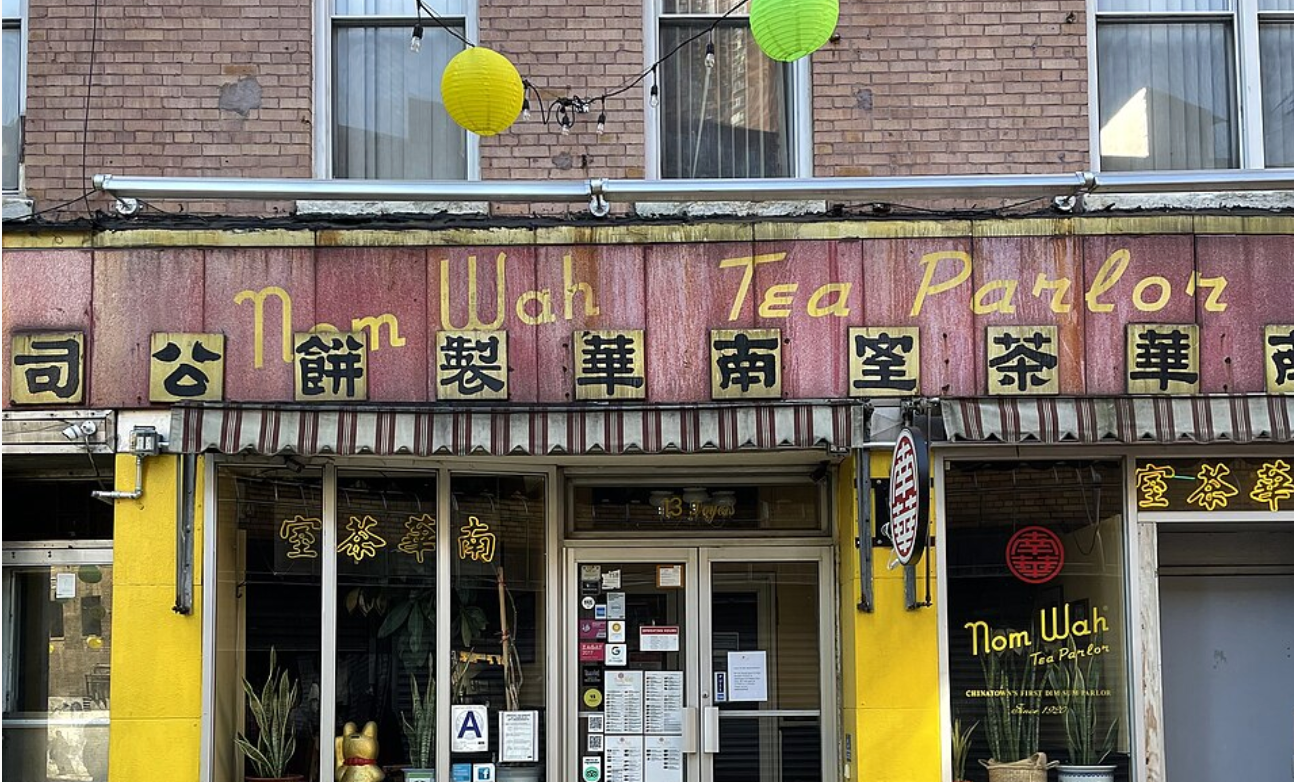
🥟 Nom Wah Tea Parlor

| Type | Dim Sum / Historical Landmark |
|---|---|
| Location | |
| Hours | 11:00 AM – 9:00 PM (Mon-Thu), 10:00 AM – 10:00 PM (Fri-Sun) |
| Price / Fee | $20 – $40 per person |
| Phone | (212) 962-6047 |
| Website | https://nomwah.com/chinatown/ |
Founded in 1920, Nom Wah Tea Parlor is the oldest continuously operating dim sum restaurant in New York City. Tucked away on the famous “Bloody Angle” of Doyers Street—once known for its sharp curve and Tong gang history—the restaurant still retains its mid-century charm with red vinyl booths and vintage checkered flooring. Unlike many modern dim sum houses that use rolling carts, Nom Wah operates on an order-to-table system, ensuring that every plate of “OG” egg rolls or shrimp rice rolls arrives fresh and hot from the kitchen.
The menu is a curated collection of Cantonese classics. Their signature Original OG Egg Roll is a massive, flaky pastry filled with chicken and mushrooms, quite different from the smaller versions found in takeout spots. Other standouts include the House Special Roast Pork Bun and the pan-fried turnip cakes. Because of its legendary status and cinematic appearance in various films, the restaurant frequently has wait times exceeding an hour on weekends, so arriving early or putting your name on the list before exploring Doyers Street is highly recommended.
What truly sets Nom Wah apart is its preservation of a specific era of New York dining. While the neighborhood has modernized around it, the interior feels frozen in time, offering a sensory experience that combines culinary heritage with urban history. It’s a bridge between the old-school Cantonese immigrant experience and the contemporary Manhattan food scene. Note that they do not take reservations for small groups, and the seating can feel tight, which is part of the authentic Chinatown hustle.
Best for: History buffs and travelers seeking a classic, sit-down dim sum experience in a vintage setting.
Skip if: You prefer the traditional “cart service” dim sum style or are looking for a quick, grab-and-go meal.
🍞 Mei Lai Wah
| Type | Chinese Bakery / Specialty Buns |
|---|---|
| Location | |
| Hours | 8:30 AM – 7:30 PM (Daily) |
| Price / Fee | $2 – $10 |
| Phone | (212) 966-7866 |
| Website | https://meilaiwah.com/ |
Located on Bayard Street, Mei Lai Wah is an institution famous for one specific item that has gained a cult following: the Baked Roast Pork Bun (Char Siu Bao). While many bakeries in Chinatown offer this staple, Mei Lai Wah’s version is often cited as the gold standard due to its fluffy, slightly sweet dough and the generous, savory filling of honey-glazed pork. The shop is small and utilitarian, often featuring a long line of both locals and tourists snaking out onto the sidewalk, though the line moves surprisingly fast due to the high volume of bun production.
Beyond the standard pork buns, the Pineapple Bun with Roast Pork is the star of the show. This bun features a crumbly, sweet topping that resembles the texture of a pineapple (though it contains no actual fruit) paired with the savory interior. For a more decadent treat, the Pineapple Bun with a slab of cold butter is a traditional Hong Kong-style snack that offers a perfect contrast of hot bread and melting fats. They also serve traditional dim sum items like siu mai and chicken feet for those looking for a more varied snack box.
The atmosphere here is strictly “no-frills.” This is a place for high-turnover takeout where the staff works with mechanical efficiency. There is very limited seating inside, so most patrons take their warm buns to nearby Columbus Park to eat. It is a vital neighborhood landmark that has survived the changing tides of Chinatown by focusing on perfection in simplicity and maintaining accessible prices for the local community despite its massive popularity on social media.
Best for: Grab-and-go breakfast or a budget-friendly afternoon snack.
Skip if: You are looking for a relaxed cafe environment or want to avoid standing in street-side queues.
🍜 Xi’an Famous Foods
| Type | Shaanxi Fast-Casual / Hand-Pulled Noodles |
|---|---|
| Location | |
| Hours | 11:30 AM – 8:30 PM (Daily) |
| Price / Fee | $12 – $18 per dish |
| Phone | Not available |
| Website | https://www.xianfoods.com/ |
Xi’an Famous Foods is a legendary success story that began as a small basement stall in Flushing and grew into a city-wide empire, with its 45 Bayard Street location serving as a primary hub in Manhattan’s Chinatown. The menu focuses on the bold, spicy, and “numbing” flavors of Xi’an, a city in northwestern China. The star attraction is the Spicy Cumin Lamb Hand-Ripped Noodles (Biang Biang noodles), which are wide, thick, and pulled by hand to order, resulting in a chewy texture that perfectly catches the house-made chili oil and aromatics.
The culinary profile here is distinct from the Cantonese sweetness found elsewhere in the neighborhood; it utilizes heavy amounts of Sichuan peppercorns, cumin, and black vinegar. For those who aren’t in the mood for noodles, the Stewed Pork Burger (Rou Jia Mo) features tender, fatty pork stuffed into a crispy flatbread, often referred to as the “Chinese hamburger.” The spice levels are customizable, but even the “regular” level packs a significant punch that may surprise those unfamiliar with Shaanxi heat.
The Bayard Street location is narrow and modern, designed for quick service with counter seating. It’s a high-energy environment characterized by the rhythmic slapping of dough in the kitchen and the fragrant cloud of cumin hanging in the air. One specific rule to note: they famously discourage taking noodles to go, as the texture of the hand-ripped dough degrades quickly if not eaten immediately. This commitment to quality has made it a favorite for local office workers and foodies alike seeking an authentic taste of the Silk Road.
Best for: Bold spice lovers and fans of “biang biang” chewy noodle textures.
Skip if: You have a low tolerance for spicy food or suffer from a gluten allergy (noodles are the main event).
🍦 The Original Chinatown Ice Cream Factory
| Type | Ice Cream Shop / Family-Owned |
|---|---|
| Location | |
| Hours | 11:00 AM – 10:00 PM (Daily) |
| Price / Fee | $6 – $12 |
| Phone | (212) 608-4170 |
| Website | https://www.chinatownicecreamfactory.com/ |
A family-run landmark since 1978, The Original Chinatown Ice Cream Factory (CICF) is widely considered the pioneer of bringing “Eastern” flavors to the American ice cream scene. While most shops consider vanilla and chocolate to be the “regular” flavors, CICF flips the script: here, Durian, Black Sesame, Lychee, and Red Bean are the standards, while vanilla is listed under the “Exotic” section. This playful reversal highlights the shop’s deep roots in the Chinese community and its mission to normalize Asian desserts in Manhattan.
Their signature flavor, Black Sesame, is intensely nutty and gray in color, providing a savory-sweet profile that is a neighborhood favorite. For the adventurous, the Durian ice cream captures the unique, pungent aroma of the “king of fruits” in a creamy, frozen format. The ice cream is made in small batches on-site, ensuring a dense, high-quality texture that holds up well even in the humid New York summers. They also offer colorful ice cream cakes and mooncakes during seasonal festivals.
The shop is tiny and often filled with the sound of staff calling out orders while the iconic green dragon mascot looks on from the walls. Located right next to Mei Lai Wah on Bayard Street, it forms part of a “dessert corridor” that is essential for any food tour. Because of its longevity and quality, it serves as a community anchor where generations of Chinatown families have brought their children, making it much more than just a tourist stop—it is a piece of the neighborhood’s social fabric.
Best for: Adventurous dessert seekers and those wanting to try authentic Asian flavor profiles.
Skip if: You prefer standard American sundae toppings or are looking for a large seating area.
🥟 Shu Jiao Fu Zhou
| Type | Fuzhou Cuisine / Budget Dumplings |
|---|---|
| Location | |
| Hours | 10:00 AM – 8:00 PM (Daily) |
| Price / Fee | $3 – $10 |
| Phone | (212) 625-2532 |
| Website | Not available |
Shu Jiao Fu Zhou is a beloved “cheap eat” destination that specializes in the cuisine of Fuzhou, the capital of China’s Fujian province. Located on the corner of Eldridge and Forsyth, just steps from the Manhattan Bridge, this shop is famous for two things: Wheat Noodles with Peanut Sauce and Pork and Chive Dumplings. Unlike the thicker-skinned dumplings found in northern Chinese cuisine, Fuzhou-style dumplings feature a thin, almost translucent skin that showcases the fresh ginger-pork filling inside.
The peanut noodles are a marvel of budget dining—simple, chewy noodles tossed in a rich, savory peanut paste for just a few dollars. It is perhaps the best value-to-flavor ratio in all of Manhattan. Another unique menu item is the Fish Balls with Meat Fillings, which are bouncy white fish cakes stuffed with savory minced pork, served in a light, clear broth. The menu is intentionally limited, focusing on high-volume production of a few perfected items that represent the comforts of Fujianese home cooking.
The interior was recently renovated but remains a straightforward, brightly lit space with communal seating and a view of the workers hand-folding dumplings at incredible speeds. It is a popular spot for solo diners, students, and neighborhood locals looking for a quick, nutritious meal. The vibe is utilitarian and fast; you order at the counter, your food arrives in minutes, and you eat amidst the bustle of a neighborhood that is constantly in motion. It serves as a great contrast to the more tourist-heavy spots further west in Chinatown.
Best for: Solo travelers on a strict budget and fans of savory peanut sauces.
Skip if: You want an extensive menu with many vegetable or stir-fry options.
🗓 Best Time / Tips
✅ When to go
- Weekday mornings (10:00 AM – 11:30 AM): This is the “sweet spot” to hit Mei Lai Wah and Nom Wah without the crushing weekend crowds.
- Lunar New Year: Visit during the 15 days of the Lunar New Year (usually late January or February) for the most vibrant atmosphere, though expect long waits at every major eatery.
- Late Afternoon (3:00 PM – 5:00 PM): Ideal for visiting the Ice Cream Factory or grabbing a snack at Shu Jiao Fu Zhou between the lunch and dinner rushes.
- Autumn: New York’s fall weather is perfect for walking the hilly streets of Chinatown and eating hot soup dumplings without overheating.
⚠️ Quick tips
- Bring Cash: While many spots have modernized, several smaller bakeries and dumpling shops in Chinatown still prefer or exclusively accept cash.
- Download an Offline Map: The narrow streets and tall buildings can sometimes cause GPS to lag; having an offline map of the Mott/Bayard/Doyers intersection is helpful.
- Visit Columbus Park: Since many of these spots have limited seating, head to Columbus Park (near Mei Lai Wah) to enjoy your food while watching local residents play mahjong or practice Tai Chi.
- Public Transit: Take the N, Q, R, W, 6, J, or Z trains to the Canal Street station. It is the most central point for starting any Chinatown food tour.
- Bathroom Strategy: Public restrooms are rare in the neighborhood. It is best to use the facilities at a sit-down spot like Nom Wah or head to the nearby 500 Pearl St public plaza.
Frequently Asked Questions
Is Manhattan’s Chinatown safe for tourists at night?
Yes, the core areas around Mott and Bayard Streets are generally safe and remain active until late evening due to the high density of restaurants. However, as with any major urban area, stay aware of your surroundings on quieter side streets after midnight.
How do I avoid the longest lines at Mei Lai Wah?
The line is almost always present, but it moves very fast. If you want to avoid the peak, go before 10:00 AM on a Tuesday or Wednesday. If you are ordering more than a dozen buns, they sometimes have a separate workflow, so check with the staff.
Are these restaurants vegetarian-friendly?
While Nom Wah has several vegetarian dim sum options (like steamed vegetable dumplings), Chinatown is traditionally pork-heavy. Xi’an Famous Foods and Shu Jiao Fu Zhou have limited vegetarian choices; always ask specifically about lard or fish sauce in the seasonings.
Where should I park my car?
Street parking is nearly impossible in Chinatown. It is strongly recommended to use public transit. If you must drive, there are several paid garages on Elizabeth Street or Bowery, but they are expensive ($40+ for a few hours).
Leave a Reply