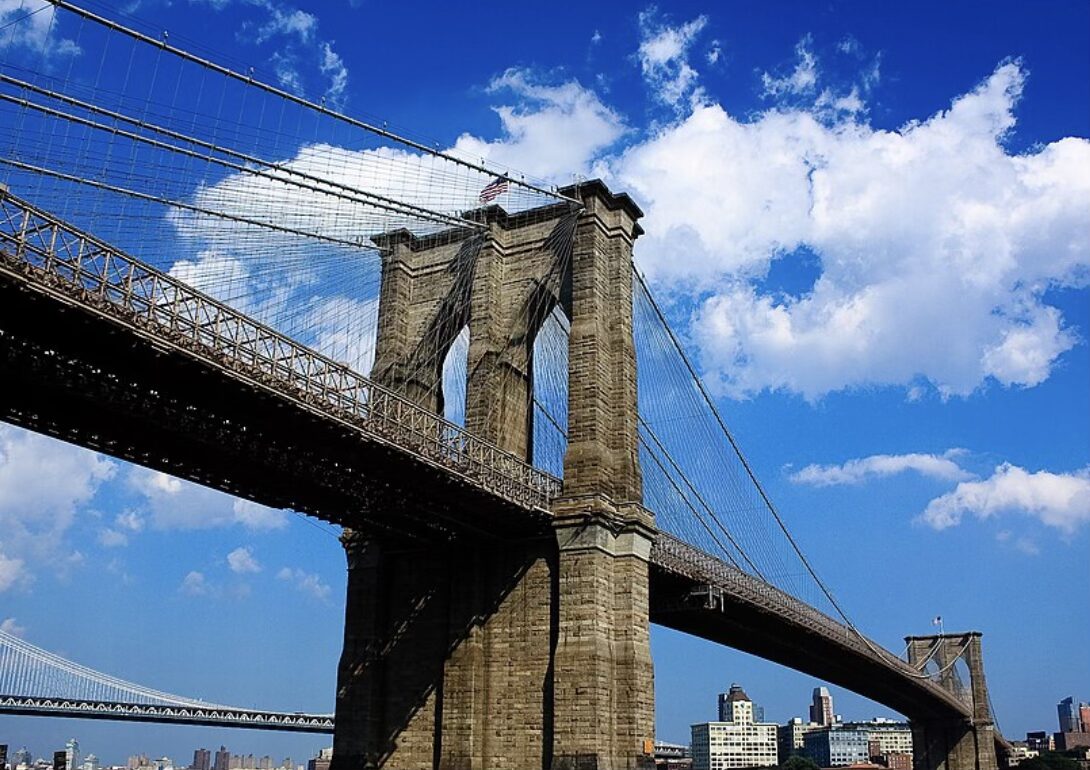

Brooklyn Parking Tips (NYC): Alternate Side Rules, Meter Apps, and Ticket-Trap Mistakes to Avoid
Parking in Brooklyn isn’t one simple “find a spot and you’re done” situation. It’s a block-by-block puzzle of Alternate Side Parking (ASP) (street cleaning), meter rules, and signage that can change mid-block.
If you’re bringing a car for a road trip, family gear, or day trips beyond the subway grid, you can make it work. The key is treating parking like a sign-reading + schedule problem (not a luck problem) and knowing when paying for a garage is the smarter move.

| Short answer | Brooklyn street parking is doable if you plan around ASP windows, read the entire block’s signs, and use NYC 311 + ParkNYC to confirm what’s actually in effect. |
|---|---|
| Best for | Multi-night stays where you can move the car when needed, road trips with luggage/gear, and travelers willing to trade time (circling + sign-checking) to save on garages. |
| Not ideal for | Fixed-timeline itineraries (reservations/tours), nightlife that turns into “leave it overnight,” and anyone who can’t reliably move the car during posted street-cleaning times. |
| Bottom line | Park once on purpose. If your schedule can flex, street parking can work. If it can’t, pay to park once (garage/hotel lot) and stop thinking about it. |
The fastest way to lose money in Brooklyn is not “choosing the wrong garage.” It’s assuming a spot is safe because it looks safe. NYC is a tow-away zone and curb rules are enforced based on posted signs. Treat every park as a quick checklist: ASP? hydrant distance? meter time limit? standing/parking restriction? and (in tourist-heavy areas) payment scams?
✅ When it makes sense
- You’re staying multiple nights and can plan your mornings around the ASP schedule on your block.
- You’re okay spending extra time on arrival to read signs carefully (and walking a bit more after you park).
- You want to park once and leave the car, using subway/walking for most of your Brooklyn days.
- You’re traveling with luggage, kids, or bulky gear where curb access is genuinely helpful.
- Your plan is flexible enough that if you strike out for 20–40 minutes, it doesn’t wreck the day (because sometimes it won’t be quick).
🚫 When it doesn’t
- You’re doing “many stops” in one day (DUMBO → Williamsburg → Prospect Park → dinner) and expect parking at each stop to be quick.
- You’re planning to stay out late and don’t want to wake up early to move the car if ASP hits the next morning.
- You don’t feel confident decoding No Stopping vs No Standing vs No Parking (they are not the same).
- You’re relying on online maps alone and won’t double-check the posted signs on the block (temporary changes happen).
- You’ll be stressed if you get door dings/scrapes (street parking risk is real, especially on tighter blocks).
🧠 Reality check (what most travelers miss)
Finding a space is only half the job. The other half is staying legal. NYC DOT explicitly notes that all of NYC is a tow-away zone, and that double-parking passenger vehicles is illegal (even during street cleaning). Also, if multiple signs apply, the most restrictive rule wins—and you should check the whole block before you walk away.
Brooklyn’s biggest “I didn’t know” ticket: ASP doesn’t end when the sweeper passes. If the sign says no parking for a window, that rule applies for the entire posted time. NYC also notes a 5-minute grace period for ASP zones, but don’t confuse that with “I can wait it out in the car.” If a sign says you can’t park there, you need to be elsewhere. And if you’re using meters, NYC DOT warns about fraudulent QR-code stickers—pay only through the official ParkNYC app or the physical meter.
Scenario 1: You’re staying overnight in Brooklyn and want to street park near your place
| Who this fits | Weekend visitors staying in residential-ish areas (think Park Slope, Prospect Heights, Carroll Gardens, Greenpoint, Bed-Stuy) without guaranteed off-street parking, and you can plan around posted rules. |
|---|---|
| What to do | Park like a local: read the whole block, photograph the signs, check NYC 311 for today’s ASP status, and set a move plan for the next cleaning window. Treat your goal as park once, then transit rather than “keep driving everywhere.” |
| Watch-outs | ASP applies for the full posted time even if a sweeper already passed; NYC lists a 5-minute grace period but it’s not a free-for-all. Keep 15 feet away from hydrants (including “floating” parking lanes next to protected bike lanes). Passenger-vehicle double parking is illegal, even if “everyone does it.” |
| Local tip | Before you circle for 30 minutes, use NYC DOT’s Parking Sign Locator (nycdotsigns.net) to preview the regulations for a specific block—then still confirm by reading the physical signs (the map may not reflect temporary changes). |
The best Brooklyn parking habit is boring: make the signs your source of truth. NYC’s own guidance emphasizes checking the entire block and following the posted rules. That means walking to the corner if you have to, not just reading the sign closest to your bumper.
For “hidden” street strategy, locals on Reddit often mention timing your move so you’re hunting when spaces open up—some prefer mid-day, others prefer early morning. Treat that as anecdotal: it varies by neighborhood and by block. What isn’t anecdotal: if ASP is in effect, you can’t stay parked just because the sweeper already came through.
Scenario 2: You’re visiting DUMBO / Brooklyn Bridge Park on a fixed schedule
| Who this fits | Day-trippers with a reservation, tour time, kids’ nap schedule, or anyone who can’t afford to “circle until something appears.” |
|---|---|
| What to do | Make curb parking a bonus, not the plan. Either pay for a garage near your destination or park farther out and take subway/walk. If you land a metered spot, pay using ParkNYC or the physical meter, and follow the maximum time posted. |
| Watch-outs | Broken meter doesn’t mean free parking—NYC DOT directs drivers to use another meter or pay via the app and report problems via 311. Also watch for the QR-code sticker scam on meters: NYC DOT says secure payments are only through the official app or the physical meter. |
| Local tip | ParkNYC zone numbers are posted on signs at each end of the block (and on the meter). ParkNYC also notes that zone numbers are unique to each side of the street, so don’t copy the zone across the street. |
This is the “time is money” Brooklyn parking scenario. If you’re trying to be at a specific place at a specific time, paying to park can be cheaper than burning your morning in traffic and stress.
If you do use a meter, do it cleanly: enter your plate correctly, confirm the zone number for your side of the street, and don’t trust random QR stickers on the meter. NYC DOT has an official advisory about this scam, and it’s exactly the kind of thing that hits visitors.
Scenario 3: You’re going out in Williamsburg/Bushwick and might leave the car overnight
| Who this fits | Nightlife plans (bars, live music, late dinners) where the car could end up parked until the next morning. |
|---|---|
| What to do | Before you walk away, read tomorrow morning’s situation. If the block has an early ASP window, decide now: set an alarm to move the car or choose a garage so you can sleep. When in doubt, park at your lodging and take subway/rideshare into nightlife areas. |
| Watch-outs | A spot that feels “safe” at 11 p.m. can be a ticket at 8 a.m. if ASP is in effect. Always check NYC 311 for holiday/emergency ASP suspensions—but remember: even when ASP is suspended, other posted rules still apply. |
| Local tip | If your night centers on Williamsburg, Bedford Av (L) is a common transit anchor—often it’s easier to leave the car where you’re staying and ride the L in rather than trying to park close to the action. |
Brooklyn nightlife parking is where people get burned because the “parking problem” is delayed until tomorrow. Your future self either thanks you for a garage receipt, or hates you for an early-morning ASP scramble.
Also, don’t mix up the sign categories. NYC’s ASP calendar explains the differences clearly: No Stopping is the strictest; No Standing lets you drop off/pick up passengers; No Parking allows brief loading/unloading but still doesn’t allow waiting. That difference matters when you’re doing quick drop-offs at night.
Scenario 4: You need to unload luggage or gear at a walk-up (without getting a ticket)
| Who this fits | Families with strollers, road trippers with luggage, or anyone doing a “quick drop” at an apartment-style stay. |
|---|---|
| What to do | Use a two-step approach: (1) find the best legal curb option for a fast unload (based on the signs), with one person staying with the car; (2) then go park for real. If you can’t find a legal short stop nearby, consider paying to park once so the unload isn’t chaotic. |
| Watch-outs | Do not rely on “Brooklyn etiquette” myths. NYC guidance is blunt: passenger-vehicle double parking is illegal at all times, even during street cleaning days. And hydrant distance rules still apply even if the curb is painted or the lane is a floating parking lane. |
| Local tip | If you need a simple rule that saves tickets: never stop where a sign says No Stopping. NYC’s own guidance makes it the strictest category (no passenger drop-off/pick-up allowed). If you’re unsure, pick a different spot. |
This is the scenario where visitors accidentally turn a “two-minute unload” into a ticket because they confuse what the sign allows. NYC’s definitions are worth memorizing for Brooklyn: No Stopping means no stopping at all; No Standing is drop-off/pick-up only; No Parking can allow brief loading/unloading but still doesn’t allow waiting.
“Hidden tip” from NYC Reddit: some drivers use sidewalk squares as a rough visual cue for hydrant distance (because 15 feet is hard to eyeball). That can help you estimate quickly, but sidewalks vary—treat it as a rough aid, not a legal guarantee. The legal rule is still 15 feet from either side of a hydrant.
⚖️ Quick comparison
| Option A | Street park and manage ASP/meter rules yourself |
|---|---|
| Option B | Pay to park once (garage or lodging parking) and stop thinking about it |
| Best pick if… | You’re on a short trip or tight schedule: choose Option B. If you’re staying longer and can flex your timing: Option A can make sense. |
Brooklyn parking is a trade: you’re either paying in money (garage) or paying in attention + time (street rules, circling, moving for ASP). For travelers, the tipping point is usually whether you can absorb an unexpected “move the car now” moment without ruining your day.
🎯 Final recommendation
If you’re driving into Brooklyn, decide upfront which category you are: time-sensitive or flexible. Time-sensitive travelers should plan to pay to park once in dense areas (especially tourist-heavy zones and nightlife hubs). Flexible travelers can street park successfully by treating the signs as non-negotiable and building ASP into the rhythm of the trip.
My practical Brooklyn checklist: (1) check NYC 311 for today’s ASP status; (2) use the DOT Parking Sign Locator to preview a block (but trust the posted signs over the map); (3) stay 15 feet from hydrants; (4) avoid double-parking; (5) pay meters via ParkNYC or the physical meter—and never scan random QR stickers.
Frequently Asked Questions
How does Alternate Side Parking (ASP) work in Brooklyn?
ASP rules are posted on street signs and tell you when you can’t park on a side of the street for cleaning. NYC notes the rule applies for the entire time window on the sign, even if a sweeper has already passed. Check NYC 311 for the day’s ASP status (especially during snow/emergencies).
Is there any grace period for ASP tickets?
NYC 311 states there is a 5-minute grace period after the time posted on an ASP sign, during which ASP tickets cannot be issued. Don’t treat this as extra parking time—it’s a small buffer, not a strategy.
Do I have to pay parking meters on Sundays in Brooklyn?
NYC 311 states that on Sundays, ASP is not in effect and you do not have to pay the parking meters. You still must follow all other posted rules (time limits, no standing, hydrants, etc.).
What’s the difference between “No Stopping,” “No Standing,” and “No Parking”?
NYC’s ASP calendar explains it this way: No Stopping means you can’t stop even to drop off/pick up passengers; No Standing allows passenger drop-off/pick-up but no loading/unloading; No Parking allows brief loading/unloading but still does not allow waiting. When you’re unloading luggage in Brooklyn, this difference is everything.
How far from a fire hydrant can I park in Brooklyn?
NYC DOT states it is illegal to park within 15 feet of either side of a fire hydrant (including on “floating” parking lanes next to protected bike lanes). NYC 311 also notes that painted curbs at hydrants do not indicate where it’s legal to park.
Is it ever okay to double-park during street cleaning if I stay with the car?
NYC DOT and NYC 311 both say double-parking of passenger vehicles is illegal at all times, including during street cleaning, regardless of purpose or duration. Some people do it anyway, but you can still be ticketed.
What’s the best way to check Brooklyn parking signs before I arrive?
NYC 311 points to NYC DOT’s Parking Sign Locator map (nycdotsigns.net), which lets you look up posted regulations for a block (time limits, ASP schedules, standing rules). NYC also warns the site may not reflect new or temporary changes, so you still need to read the physical signs when you get there.
Can I pay for metered parking in Brooklyn with my phone?
NYC DOT lists ParkNYC as a way to pay for metered parking. ParkNYC’s FAQ notes you should use the zone number on your side of the street (posted on signs at each end of the block and on the meter). If you can’t identify the zone number, ParkNYC says you must pay at the meter.
What should I do if a parking meter is broken?
NYC DOT says to report a broken meter via NYC 311. If you’re parked on a street with a broken meter, DOT directs drivers to use another meter or pay via the mobile app.
Are QR codes on ParkNYC meters safe to scan?
NYC DOT has issued an advisory about fraudulent QR-code stickers placed on meters. DOT states the only way to pay for metered parking in NYC is through the official ParkNYC app or the physical meter—and if you see a QR code sticker, do not scan it.
Can I leave my car parked in the same Brooklyn spot for a week?
NYC 311 notes that unless a posted sign says otherwise, you may not leave a vehicle parked in the same spot for more than seven days in a row. For most travelers this won’t come up, but it matters for extended stays where you’re tempted to “set it and forget it.”
Leave a Reply