
5 Excellent Road Trips and Driveable Destinations Near Chicago
Chicago’s geographic position at the lower edge of Lake Michigan makes it a prime launching point for road trips spanning the Midwest. While the city’s public transit network is extensive, accessing the region’s vast state parks, historic architectural suburbs, and neighboring cultural hubs strictly requires a personal vehicle. Driving opens up a radius of heavy timber forests, towering sand dunes, and preserved 19th-century downtowns that sit just beyond the reach of the Metra commuter rail lines.
When planning a drive out of the city limits, factoring in the unpredictable flow of Interstates 90, 94, and 55 is crucial. What appears as a 60-minute drive on paper can easily double during Friday afternoon outbound rushes or sudden lake-effect weather changes. The following destinations have been selected specifically for their automobile-friendly infrastructure, featuring realistic parking situations and distinct geographical or cultural profiles that justify leaving the city behind for the day.
🌲 Starved Rock State Park

| Type | State Park / Nature Reserve |
|---|---|
| Location | |
| Hours | 7:00 AM – Sunset (Daily) |
| Price / Fee | Free admission ($5 suggested donation) |
| Phone | (815) 667-4726 |
| Website | starvedrock.org |
Starved Rock State Park stands out in the otherwise flat topography of northern Illinois, characterized by 18 distinct canyons carved by glacial meltwater. Located roughly 90 miles southwest of Chicago via I-55 and I-80, this park requires a vehicle to reach efficiently, as public transit options do not extend into this rural sector of LaSalle County. The trails weave through towering St. Peter sandstone bluffs, offering direct views of the Illinois River and seasonal waterfalls that are most active during spring thaws or heavy rainfall.
Visitors driving from the city should prepare for extreme parking constraints during peak autumn foliage weekends, where the main surface lots frequently reach absolute capacity by 10:00 AM. State police will temporarily close the entrance when this occurs, making an early morning arrival essential. Once inside, the trail system is heavily reliant on wooden staircases and elevated boardwalks. These structures protect the fragile soil but require a moderate level of physical stamina to navigate, especially on the loop leading to the distant Illinois Canyon.
What sets Starved Rock apart from other Midwestern parks is its dramatic verticality and historical significance, having been designated a National Historic Landmark in 1960. While many regional parks offer wide open prairies, this location forces hikers into narrow, echoing rock formations like French Canyon and Wildcat Canyon, creating a micro-climate that stays significantly cooler than the surrounding farmland.
Best for: Active hikers and landscape photographers looking for dramatic geological features within a two-hour drive. Individuals with severe mobility limitations may want to skip the deeper canyon trails, as the sheer number of stairs makes accessibility challenging.
🏖️ Indiana Dunes National Park

| Type | National Park |
|---|---|
| Location | |
| Hours | 6:00 AM – 11:00 PM (Daily) |
| Price / Fee | $25 per vehicle (1-7 day pass) |
| Phone | (219) 395-1882 |
| Website | nps.gov/indu |
Transitioning from a national lakeshore to a fully designated national park in 2019, the Indiana Dunes National Park hugs 15 miles of the southern Lake Michigan shoreline. The drive from downtown Chicago takes approximately one hour via the I-90 Skyway, though summer weekend traffic can significantly extend this duration. Having a car here is highly advantageous over taking the commuter train, as the park’s 15,000 acres are fragmented. A vehicle allows visitors to hop between distinct environments, driving from the bustling West Beach pavilion to the quieter, ecologically dense Cowles Bog trail within minutes.
The parking situation varies drastically depending on the specific lot you target. The main facility at West Beach accommodates hundreds of vehicles and features full bathhouses, while smaller trailheads like Mount Baldy or the Heron Rookery only fit a dozen cars and fill up quickly on weekend mornings. The park recently instituted a mandatory $25 per vehicle entrance fee, which requires purchasing a physical pass at the visitor center or buying a digital pass online beforehand. Weather here can be highly volatile, with lake-effect winds dropping ambient temperatures by ten degrees compared to the inland highway corridors.
This location distinguishes itself by holding the title for the highest biological diversity per acre within the entire National Park system, featuring everything from arctic disjunct plants to desert cacti. The shifting sand dunes, some towering nearly 200 feet above the water, provide a strenuous climbing environment that rewards visitors with skyline views of Chicago on clear days.
Best for: Bird watchers, botany enthusiasts, and families wanting a massive sandy beach ecosystem. Those expecting the towering, rocky isolation of western national parks might find the visible steel mills on the horizon and the fragmented layout less immersive.
🌸 Chicago Botanic Garden

| Type | Botanical Garden |
|---|---|
| Location | |
| Hours | 8:00 AM – 5:00 PM (Varies by season) |
| Price / Fee | $9.95 – $25.95 (varies daily) + $8 parking |
| Phone | (847) 835-5440 |
| Website | chicagobotanic.org |
Spanning 385 acres across nine distinct islands in the northern suburb of Glencoe, the Chicago Botanic Garden is a sprawling living museum. While technically accessible by a lengthy walk from the Braeside Metra station, arriving by car is the standard and most practical method for visitors hauling photography equipment or managing small children. The facility operates on a plan-ahead pricing model where admission fluctuates between $9.95 and $25.95 based on demand and the season, with an additional mandatory $8 parking fee per vehicle collected at the gate.
The garden’s infrastructure is built to handle massive crowds, featuring a sprawling surface lot that rarely reaches absolute capacity except during the peak days of the seasonal Lightscape winter event or the summer Orchid Show. Navigating the 27 display gardens requires substantial walking, though a paid tram tour is available for those who want a narrated overview without the physical exertion. The pathways are entirely paved or finely crushed gravel, making this one of the most ADA-compliant outdoor excursions in the greater Chicago region.
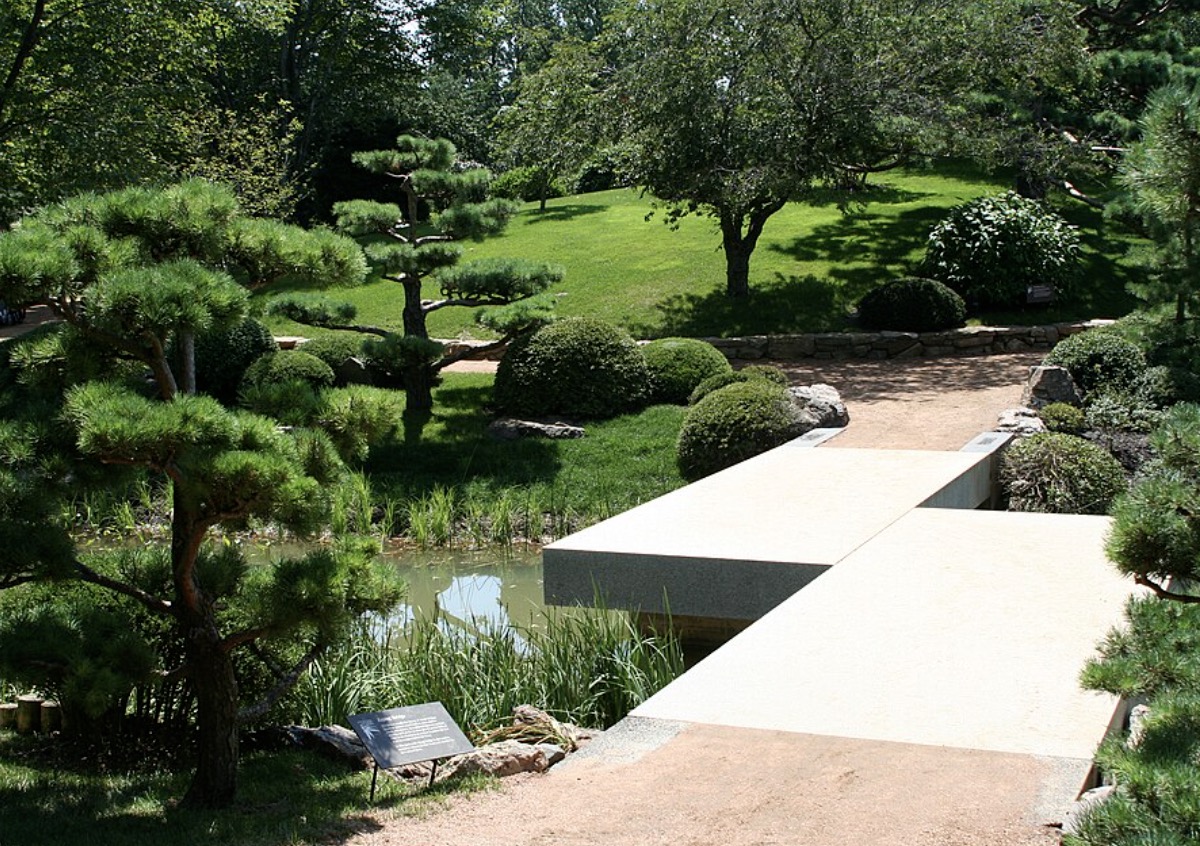
The standout feature of this institution is the Sansho-En Japanese Garden, a 17-acre masterpiece of pruned pines and stone pathways that ranks among the most authentic outside of Japan. The collection of bonsai trees housed in the courtyard is world-renowned, featuring specimens that are over a century old. The sheer scale of the terraformed landscape creates a total acoustic block from the nearby Edens Expressway.
Best for: Horticulture professionals, macro photographers, and anyone seeking a highly manicured, ADA-accessible walking environment. Those looking for wild, untamed nature or budget-conscious travelers should likely pass, as the combined cost of admission, parking, and on-site dining creates a relatively expensive day trip.
🏛️ Milwaukee Art Museum

| Type | Art Museum / Architectural Landmark |
|---|---|
| Location | |
| Hours | 10:00 AM – 5:00 PM (Closed Mondays) |
| Price / Fee | $22 Adults |
| Phone | (414) 224-3200 |
| Website | mam.org |
Heading north across the Wisconsin border via I-94 provides a direct, 90-minute route to the Milwaukee Art Museum, an architectural anchor on the coast of Lake Michigan. The facility is famously recognized for its Quadracci Pavilion, designed by Spanish architect Santiago Calatrava, which features a massive kinetic structure known as the Burke Brise Soleil. Having a car makes this trip seamless, as the museum features a heated underground parking garage that allows visitors to bypass the harsh Midwestern winter winds entirely when moving from their vehicle to the gallery floor.
The museum houses over 30,000 works of art, with particular strengths in American decorative arts, German Expressionism, and one of the largest collections of works by Georgia O’Keeffe in the world. Crowd levels remain manageable on most weekdays, though the main atrium becomes heavily congested daily at noon when the mechanical “wings” of the building perform their signature flapping motion (weather and wind permitting). The $22 adult admission grants access to all permanent collections and most rotating exhibitions, with tickets easily available for walk-up purchase without the need for advance reservations.
What differentiates this museum from Chicago’s own massive Art Institute is its physical integration with the waterfront; the massive glass prow of the building makes Lake Michigan an active part of the viewing experience. The bright, blindingly white interior corridors resemble the ribcage of a massive ship, offering an architectural experience that rivals the art hanging on the walls.
Best for: Architecture enthusiasts and art lovers looking for a focused, half-day cultural immersion outside of the Illinois borders. Travelers seeking a highly active, outdoor-focused itinerary should skip this, as the primary draw requires several hours of slow-paced indoor walking.
🛍️ Downtown Geneva & Fabyan Windmill

| Type | Historic Downtown / Shopping District |
|---|---|
| Location | |
| Hours | Stores generally 10:00 AM – 5:00 PM |
| Price / Fee | Free to explore |
| Phone | Not available |
| Website | genevachamber.com |
Situated roughly an hour west of Chicago along the Fox River, Downtown Geneva offers a dense, historically preserved commercial district that functions perfectly as a slow-paced road trip destination. The drive via I-88 West is straightforward, leading into a town grid where the primary attraction is Third Street. This heavily shaded corridor is lined with 19th-century limestone buildings that have been converted into independent boutiques, cafes, and specialized culinary shops. Unlike downtown Chicago, parking in Geneva is heavily reliant on free street spaces and small municipal lots.
Beyond the immediate commercial corridor, having a car allows visitors to easily cross the river to access the nearby Fabyan Forest Preserve. Here, the Fabyan Windmill—an authentic, meticulously restored 1850s Dutch windmill—stands as a stark historical contrast to the encroaching modern suburban architecture. The local dining scene punches significantly above its weight class, anchored by institutions like the All Chocolate Kitchen, operated by a multi-award-winning pastry chef. The paved walking paths along the Fox River connect directly to the downtown area, allowing for a seamless transition between urban shopping and nature walks.
Geneva’s defining characteristic is its authentic, lived-in historic charm, avoiding the artificial, manufactured feel of outdoor lifestyle centers common in other wealthy suburbs. The town operates at a distinctly slower pace, with shop owners frequently working their own registers and engaging with out-of-town visitors.
Best for: Couples seeking a low-stress weekend drive, antique hunters, and culinary tourists looking for high-quality local dining. Visitors expecting high-adrenaline entertainment, large-scale amusement, or dense nightlife will find the quiet, early-closing nature of this historic town unfulfilling.
🗓 Best Time / Tips
✅ When to go
- Late September to Mid-October: Essential for visiting Starved Rock and the Fox River Trail to experience peak autumn foliage.
- June through August: The optimal window for utilizing the beaches at the Indiana Dunes, though expect maximum crowd density.
- Weekday Mornings: Across all locations, arriving before 10:00 AM on a Tuesday or Wednesday guarantees the best parking and minimal queueing.
⚠️ Quick tips
- Tollway Prep: Keep an active I-PASS or register your license plate for Pay-By-Plate online, as cash is no longer accepted on the Illinois Tollway system.
- Layer Up: Any destination near Lake Michigan (Indiana Dunes, Milwaukee) will experience wind chills significantly colder than inland temperatures.
- Download Offline Maps: Cell reception drops completely inside the canyon floors at Starved Rock and in certain rural stretches approaching the Indiana borders.
Frequently Asked Questions
Do I need to pay tolls to reach these destinations?
Yes, accessing most of these locations efficiently requires utilizing the Illinois Tollway system (I-90, I-88, or I-294). Ensure your rental car includes a toll transponder, or register your license plate online within 14 days of travel to avoid steep administrative fines.
Are these destinations safe for solo travelers?
Absolutely. The state parks are heavily patrolled by conservation officers, and the museum and historic downtown locations are in highly trafficked, low-crime areas. Always observe standard wilderness safety at the parks, such as staying on marked trails to avoid steep drops.
How difficult is winter driving in this region?
Winter driving towards Milwaukee or the Indiana Dunes can be treacherous due to “lake-effect” snow bands that reduce visibility to zero within minutes. Always check the local radar and state department of transportation websites before departing between December and March.
Can I bring my dog on these road trips?
It depends heavily on the destination. Indiana Dunes allows leashed dogs on most beaches, and Starved Rock permits them on trails. However, the Chicago Botanic Garden strictly prohibits pets, as does the Milwaukee Art Museum and the indoor shopping venues in Geneva.
Leave a Reply