
Off the Beaten Grid: Chicago’s Best “Small Town” Neighborhoods and Borders
Hey there! Your Urbany Folk guide here again. Before we dive into the recommendations, let me offer a gentle, candid point of clarification: Chicago is a massive, unified city, so technically, it doesn’t have “towns” inside it. Instead, the city is beautifully fractured into 77 distinct, officially recognized neighborhoods.
However, I know exactly what you mean! When you venture outside the towering, concrete canyons of the Loop and River North, you’ll discover specific pockets of Chicago that feel distinctly like charming, self-sustaining small towns. Furthermore, there are some incredible independent municipalities (actual towns/suburbs) that border the city limits so closely they are accessible via the standard CTA train system. If you want to escape the tourist traps and experience the authentic, everyday rhythm of Chicagoland, here are four highly underrated gems you need to explore.
🥨 Lincoln Square (Neighborhood)

| Type | European-Vibe Neighborhood |
|---|---|
| Location | |
| Vibe | Cozy, family-friendly, historic |
| Best Transit | Brown Line (Western stop) |
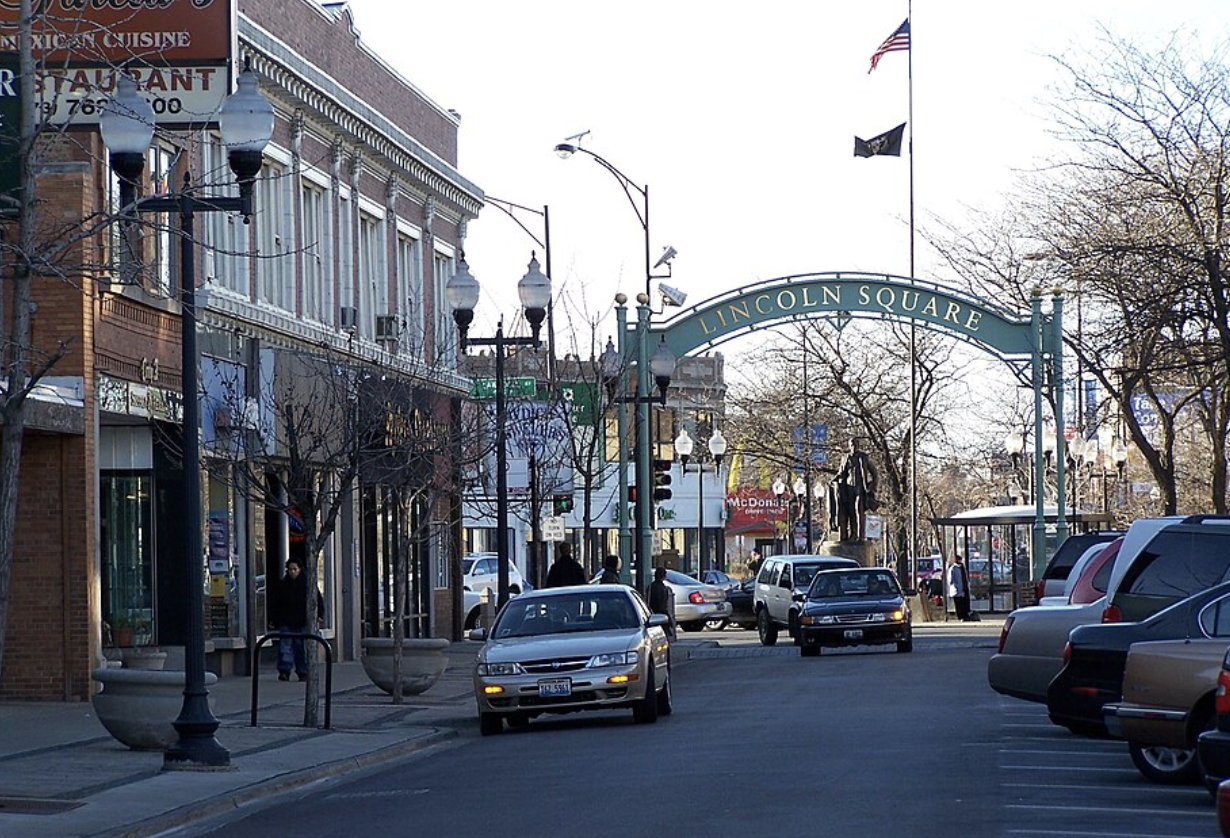
If you want the quintessential “small town in a big city” feel, take the Brown Line north to Lincoln Square. Historically the heart of Chicago’s German community, the center of this neighborhood is anchored by a charming, cobblestone pedestrian plaza off Lincoln Avenue.
You can spend an entire afternoon here without seeing a single skyscraper. Stop into Merz Apothecary (a stunning, old-world pharmacy operating since 1875), browse the massive, independent Book Cellar, and grab a massive pretzel and a liter of beer at the legendary Gene’s Sausage Shop rooftop beer garden. It is famously quiet, leafy, and incredibly walkable.
🎨 Pilsen (Neighborhood)

| Type | Arts & Culture District |
|---|---|
| Location | |
| Vibe | Vibrant, creative, culinary |
| Best Transit | Pink Line (18th Street stop) |
Just southwest of downtown lies Pilsen, a neighborhood overflowing with rich Mexican-American heritage, incredible street art, and some of the best food in the entire Midwest. Stepping off the Pink Line at 18th Street instantly transports you into a vibrant, fiercely independent community.
Instead of global retail chains, you’ll find vintage clothing shops, independent record stores, and traditional panaderías (bakeries). The neighborhood is famous for its striking outdoor murals that cover railway embankments and building facades. You absolutely must visit the National Museum of Mexican Art (which is 100% free) and grab authentic street tacos at Carnitas Uruapan.
🏡 Oak Park (Bordering Town)

| Type | Historic Suburb |
|---|---|
| Location | |
| Vibe | Architectural, literary, upscale residential |
| Best Transit | Green Line (Oak Park stop) |
Here is an actual town for you! Oak Park directly borders Chicago’s west side and is easily accessible via the CTA Green Line, meaning you don’t even need a car to visit. This town is a Mecca for architecture and history buffs.
Oak Park boasts the world’s largest collection of Frank Lloyd Wright-designed buildings, including his personal Home and Studio, which offers phenomenal daily tours. It is also the birthplace of Ernest Hemingway. The downtown area has a beautiful, upscale suburban feel with lovely coffee shops, wide, tree-lined streets, and a very relaxed pace compared to the inner city.
⚓ Bridgeport (Neighborhood)

| Type | Historic South Side Enclave |
|---|---|
| Location | |
| Vibe | Working-class history meets emerging arts |
| Best Transit | Red Line (Sox-35th stop) or Halsted Bus |
For a true, unapologetic slice of South Side Chicago, Bridgeport is vastly underrated by tourists. Historically an Irish working-class stronghold (and the neighborhood that produced five Chicago mayors), it has slowly transformed into a fascinating mix of old-school locals, young artists, and a thriving Chinese-American community pushing westward from nearby Chinatown.
Visit the Zhou B Art Center to see contemporary works from local artists, grab a famous “breaded steak sandwich” at Ricobene’s (which Anthony Bourdain once called the best sandwich in the world), and have a pint at Maria’s Packaged Goods & Community Bar—a legendary hybrid liquor store and craft cocktail lounge that perfectly captures the neighborhood’s old-meets-new identity.
🗓 Best Time / Tips
✅ When to go
- Pilsen: Go on the second Friday of the month! The neighborhood hosts “2nd Fridays,” where the galleries clustered around Halsted Street open their doors to the public for free viewings and wine.
- Lincoln Square: Ideal for a lazy Saturday or Sunday afternoon. The pedestrian plaza is lovely when the weather is nice, and it’s heavily shaded by mature trees.
⚠️ Quick tips
- Transit is your friend: You can reach all four of these locations using the CTA (Chicago Transit Authority) “L” trains. A 1-Day CTA pass is cheap and will save you a fortune on ride-share surge pricing.
- Respect the locals: Remember that unlike the Magnificent Mile, these are deeply residential neighborhoods. The pace is slower, and the businesses are often family-owned.
Frequently Asked Questions
Is it safe to visit these neighborhoods?
Yes. Lincoln Square and Oak Park are highly affluent and incredibly safe at all hours. Pilsen and Bridgeport are bustling, dynamic, and perfectly safe for daytime and evening exploration, especially along the main commercial corridors (like 18th Street in Pilsen and Halsted Street in Bridgeport). As always in any major city, stay aware of your surroundings.
Can I visit all of these in one day?
No, I wouldn’t recommend it. Oak Park is on the far west side, Lincoln Square is far north, and Bridgeport/Pilsen are south/southwest. Trying to do them all in one day would mean spending half your vacation sitting on trains. Pick one or two per day to truly soak in the local vibe!
Leave a Reply